A hundred thousand tortoises, and almost nobody
Aldabra
Island · UNESCO World Heritage
Aldabra in short.
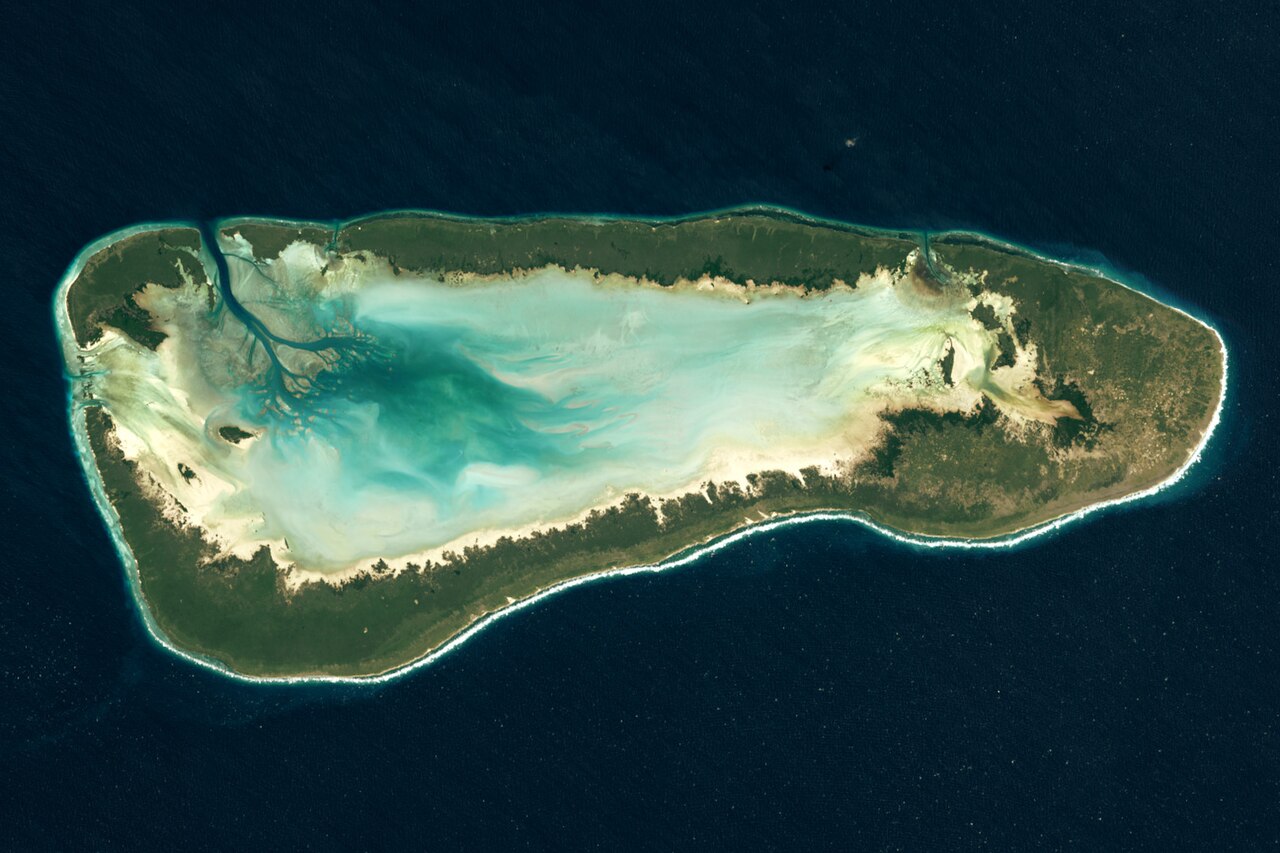
Aldabra is the world's largest raised coral atoll, a UNESCO World Heritage site, and one thousand one hundred and twenty kilometres from Victoria, closer to Africa than to Mahé. Around a hundred thousand giant tortoises live on it, more than anywhere else on earth, and almost no one is allowed to go.
Can you go?
Closed to ordinary visitors. Access is controlled and limited to research and a very small number of permitted expedition cruises.
Aldabra, in 6 frames.
Every frame below was found in this island's own Commons category and its own title names the island. Captions are the file's title, so you can check the call.
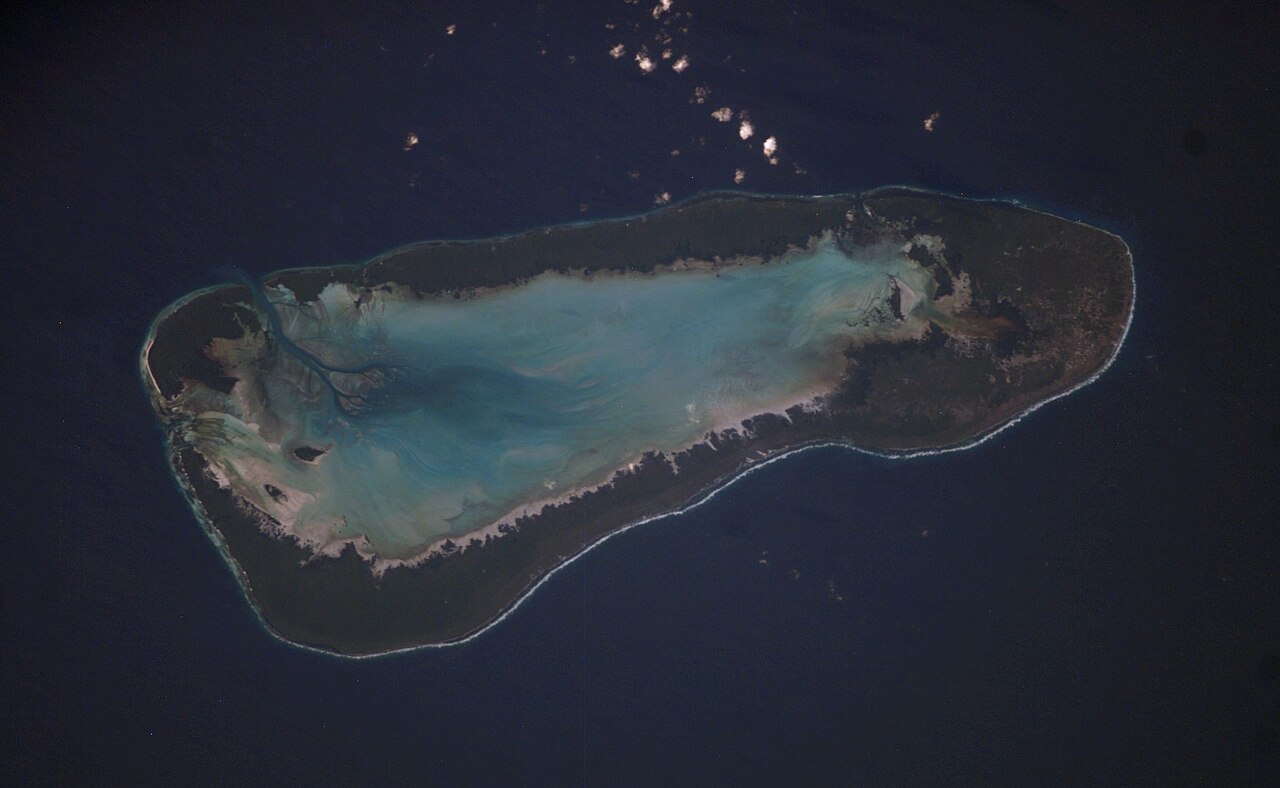
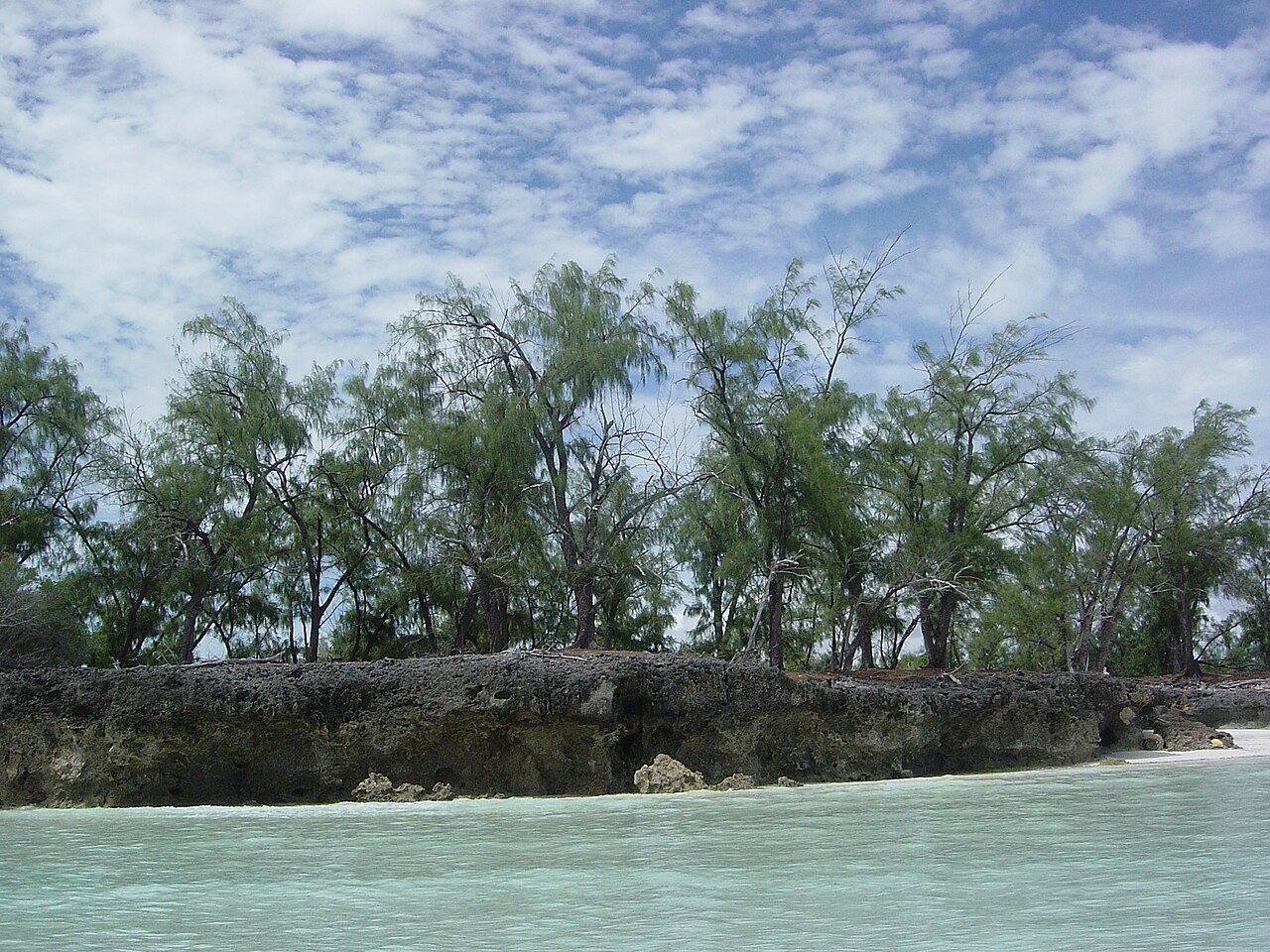
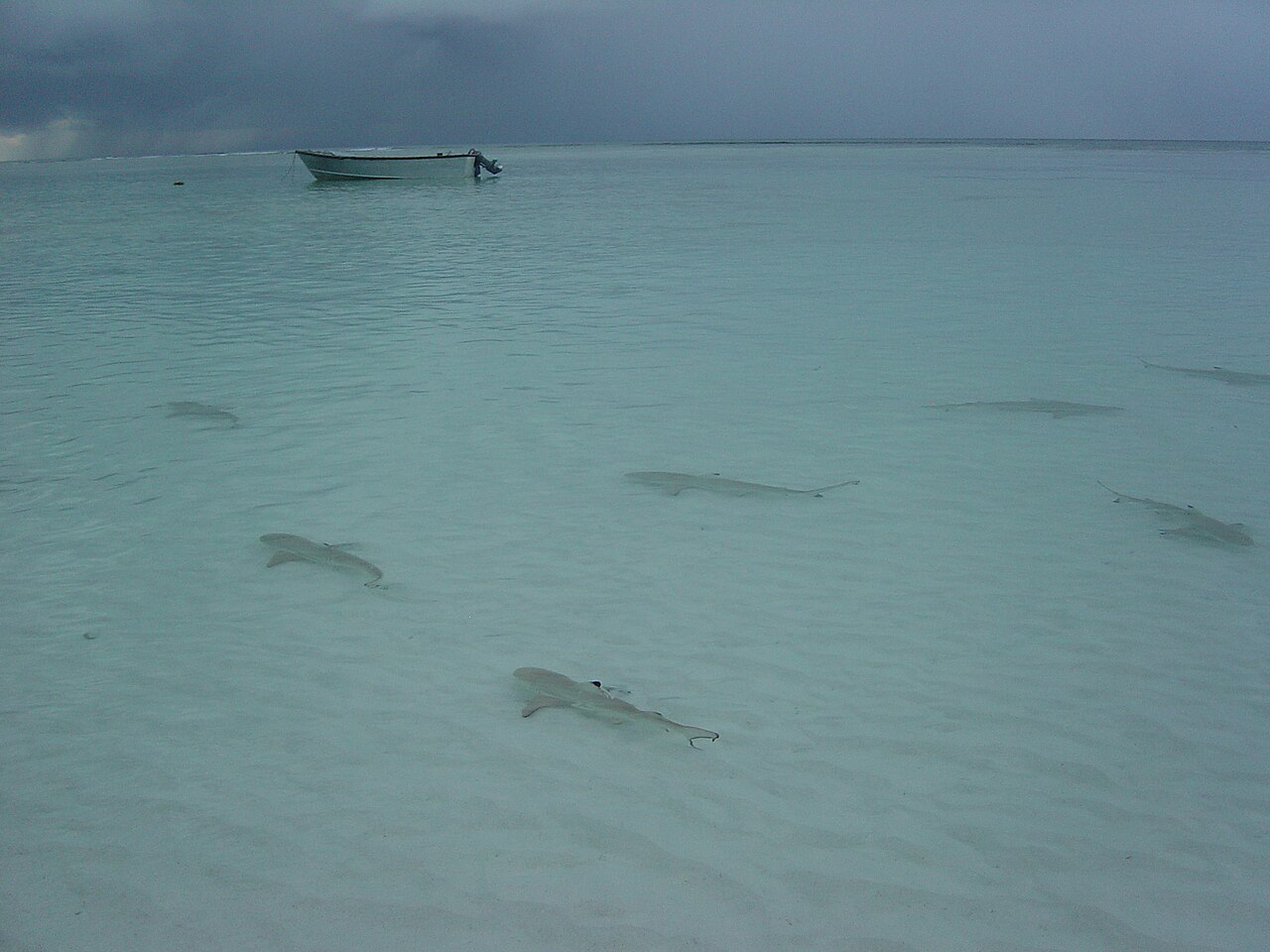
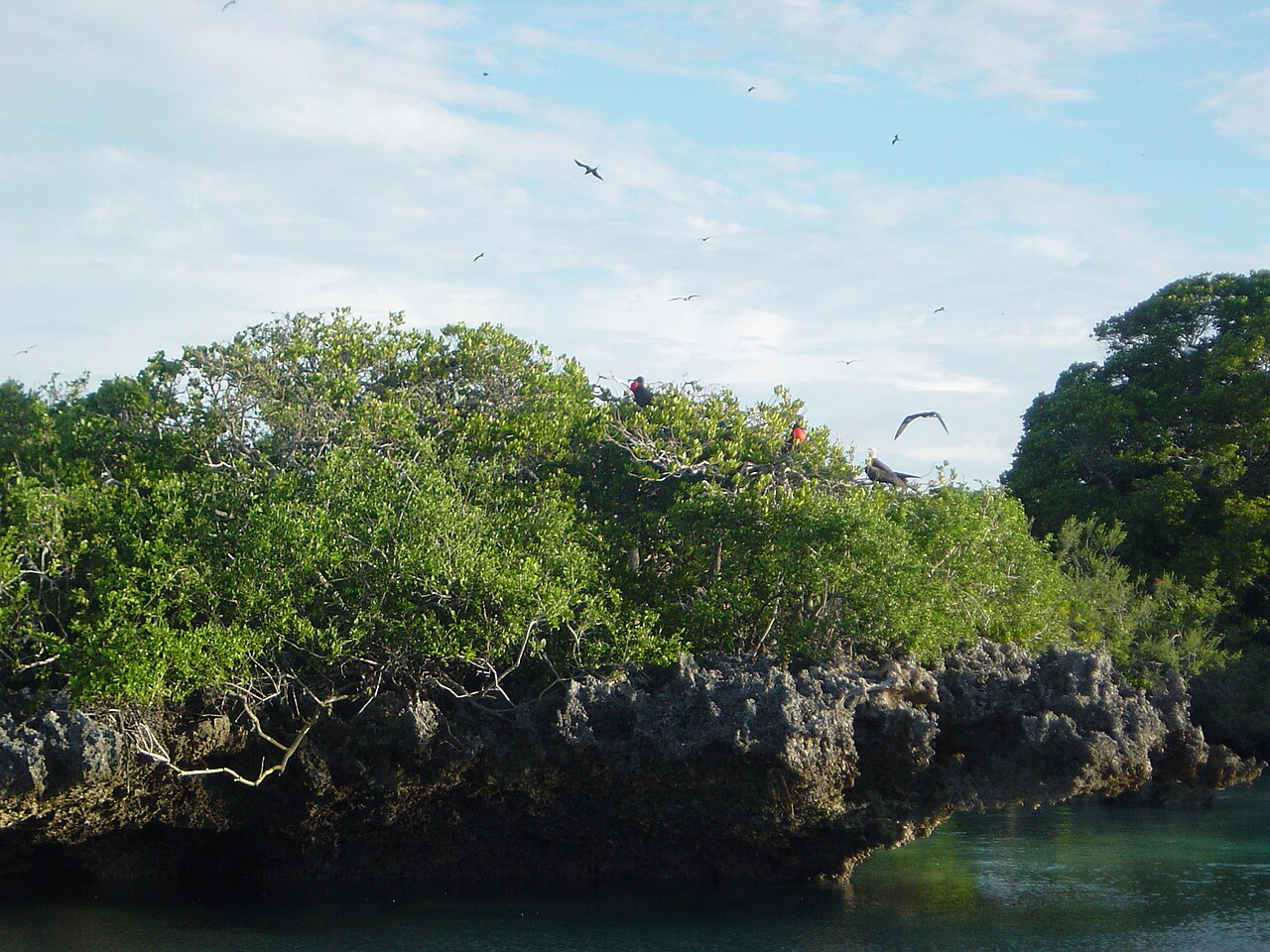
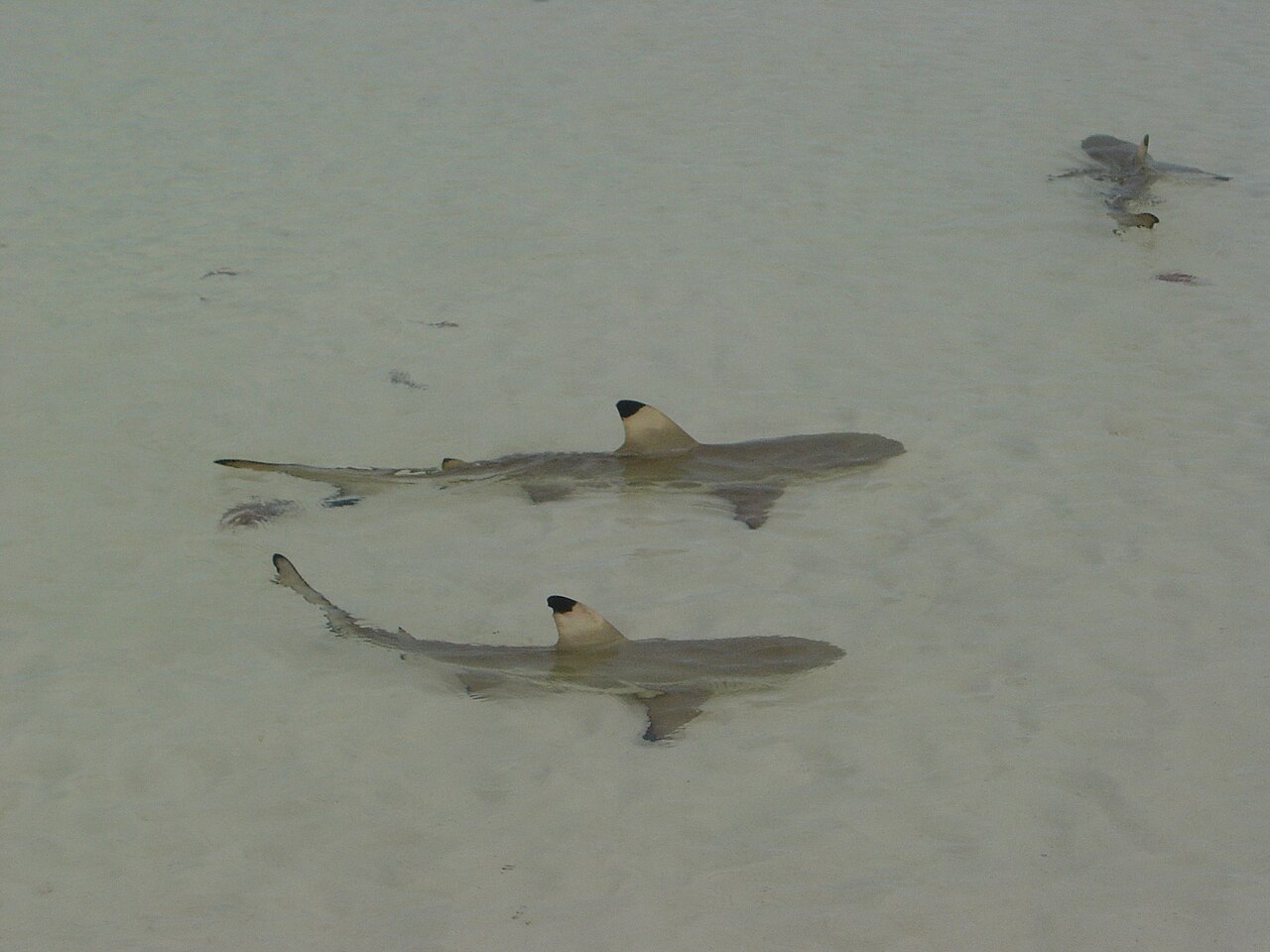
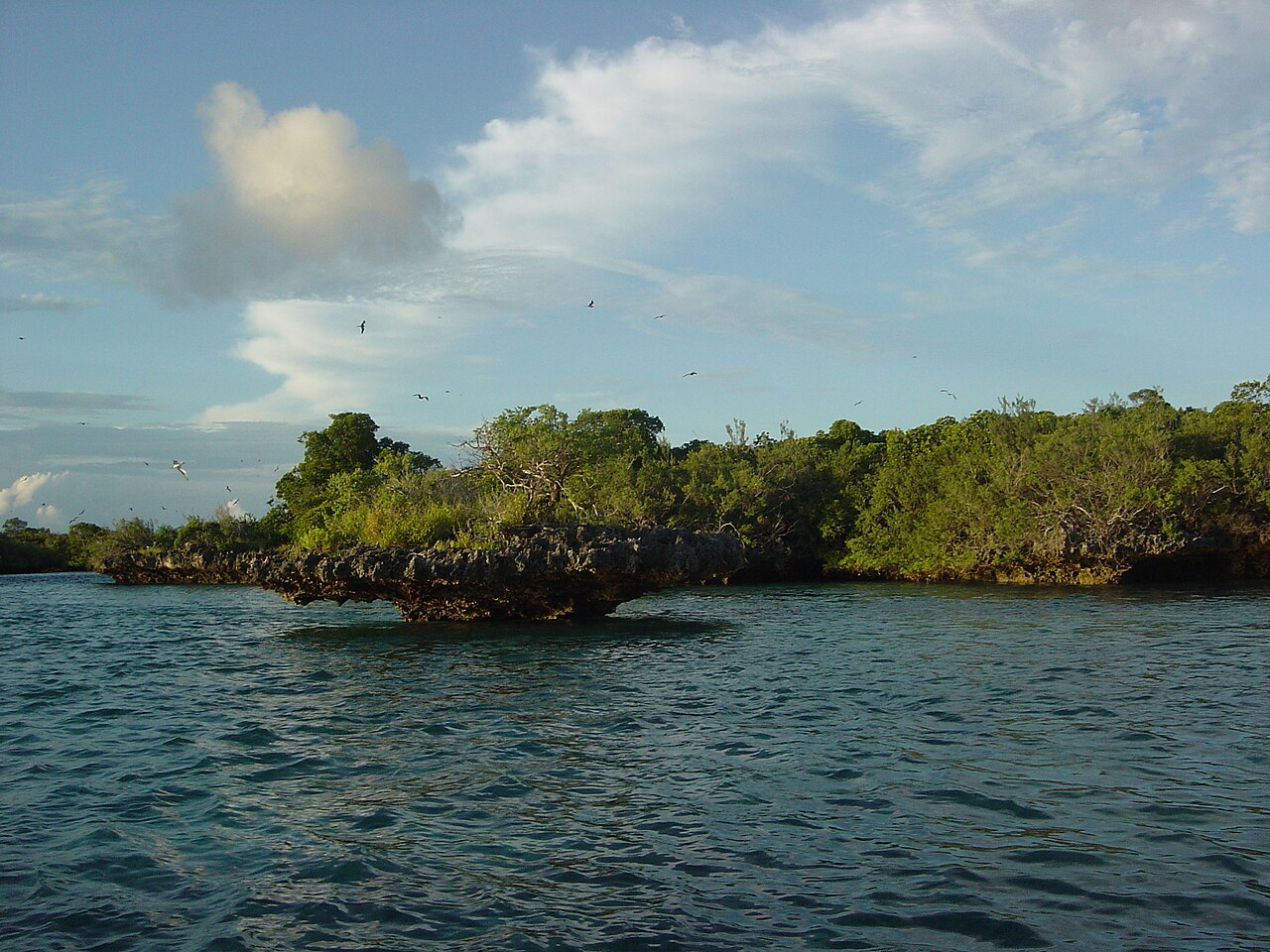
Photographs, under Creative Commons: NASA Earth Observatory image by Wanmei Liang, using Landsat data from the U.S. Geological Survey, Public domain NASA, Public domain Ron Van Oers, CC BY-SA 3.0 igo Ron Van Oers, CC BY-SA 3.0 igo Ron Van Oers, CC BY-SA 3.0 igo Ron Van Oers, CC BY-SA 3.0 igo Ron Van Oers, CC BY-SA 3.0 igo
Saved by being useless
Aldabra survived intact because nothing anybody tried on it ever worked. Plantation ventures failed. In the 1960s Britain planned a military airfield on it, and an international protest by scientists, remembered as the Aldabra Affair, stopped it. It became a UNESCO World Heritage site in 1982 and is managed by the Seychelles Islands Foundation.
The word raised is not decoration. Aldabra is a coral atoll that has been lifted clear of the sea, which is why it has land, and land is why it has tortoises. The largest atoll in the world by area is Kiritimati in the Pacific. Aldabra is the largest of the raised ones.
What lives there
Around a hundred thousand Aldabra giant tortoises, which is several times the number in the Galápagos. The Aldabra rail, the last flightless bird left in the Indian Ocean. Dugongs, sharks and rays in the lagoon, and one of the largest green turtle nesting populations in the region.
The lagoon is big enough that the tide moving in and out of it runs like a river through the channels between the islands.
Why you cannot go
There is no resort, no scheduled flight and no regular tourism. Access is controlled by the Seychelles Islands Foundation and is essentially limited to researchers and a handful of permitted expedition vessels a year.
If a page anywhere offers to sell you a trip to Aldabra as part of a holiday, check what it is actually selling. For almost everybody, Aldabra is a documentary, and that is the correct answer rather than a disappointing one.
How you arrive
There is no visitor access to arrange. Research access is through the Seychelles Islands Foundation.
The sheet.
Checked 2 September 2026 against the sources named in our island file.
- South west of Victoria
- 1,120 km
- UNESCO World Heritage
- since 1982
- Giant tortoises
- around 100,000, the largest population on earth
- What it is
- the world's largest raised coral atoll
What people ask.
Can we visit Aldabra?
Closed to ordinary visitors. Access is controlled and limited to research and a very small number of permitted expedition cruises.
How do you get to Aldabra?
There is no visitor access to arrange. Research access is through the Seychelles Islands Foundation.
What we do arrange.
We do not sell islands, and most of these could not be sold to anybody. What we do arrange is everything that gets you to them and around them once you land.

Car hire, from €45 a day
Ten cars, no deposit, handed over at the airport, the jetty or your hotel.
Days out and excursions
Island tours, boat days, snorkelling and walks, with real ratings and free cancellation to twenty-four hours.
Airport transfers
A driver who watches your flight number and waits with your name on a board.
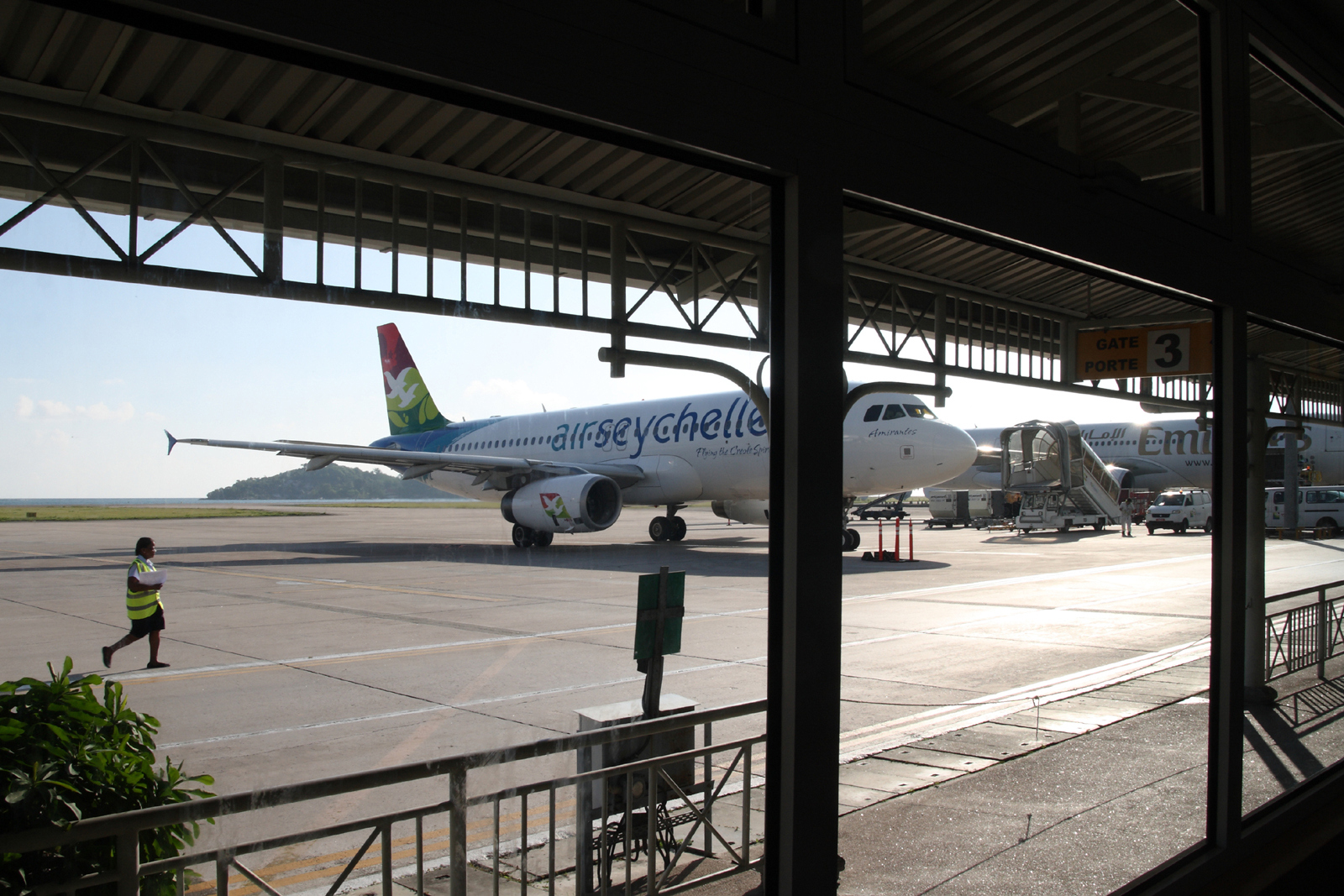
The terminal photograph above: Remi Jouan, CC BY-SA 3.0
Read next
Planning around this island?
Tell us the dates and what you want the trip to feel like, and Meera will write back with what is actually possible.