
The things you learn on day three
First time here
None of these is a secret. They are simply the things that no brochure has any reason to mention and every returning visitor already knows.
The things you learn on day three.
Every returning visitor to Seychelles knows a short list of things that would have made the first trip better and that nobody told them. None of it is hidden and none of it is in a brochure, because a brochure has no reason to mention that it gets dark at six.
This is that list. It assumes you have already chosen the country and settled the dates, and it is the last thing to read before you pack.
The photograph above: Didi0032, CC BY-SA 3.0
It gets dark at six, all year
Four degrees south of the equator, the day is twelve hours long in January and twelve hours long in July. Light at about six, dark at about six, with almost no dusk in between. There is no long European evening here and there never will be.
That reshapes the day more than anything else on this list. Breakfast early, do the walking and the driving in the morning, be on a beach by four for the best light, and eat at seven. Restaurants close early because the island does.
The famous beach has a gate on it
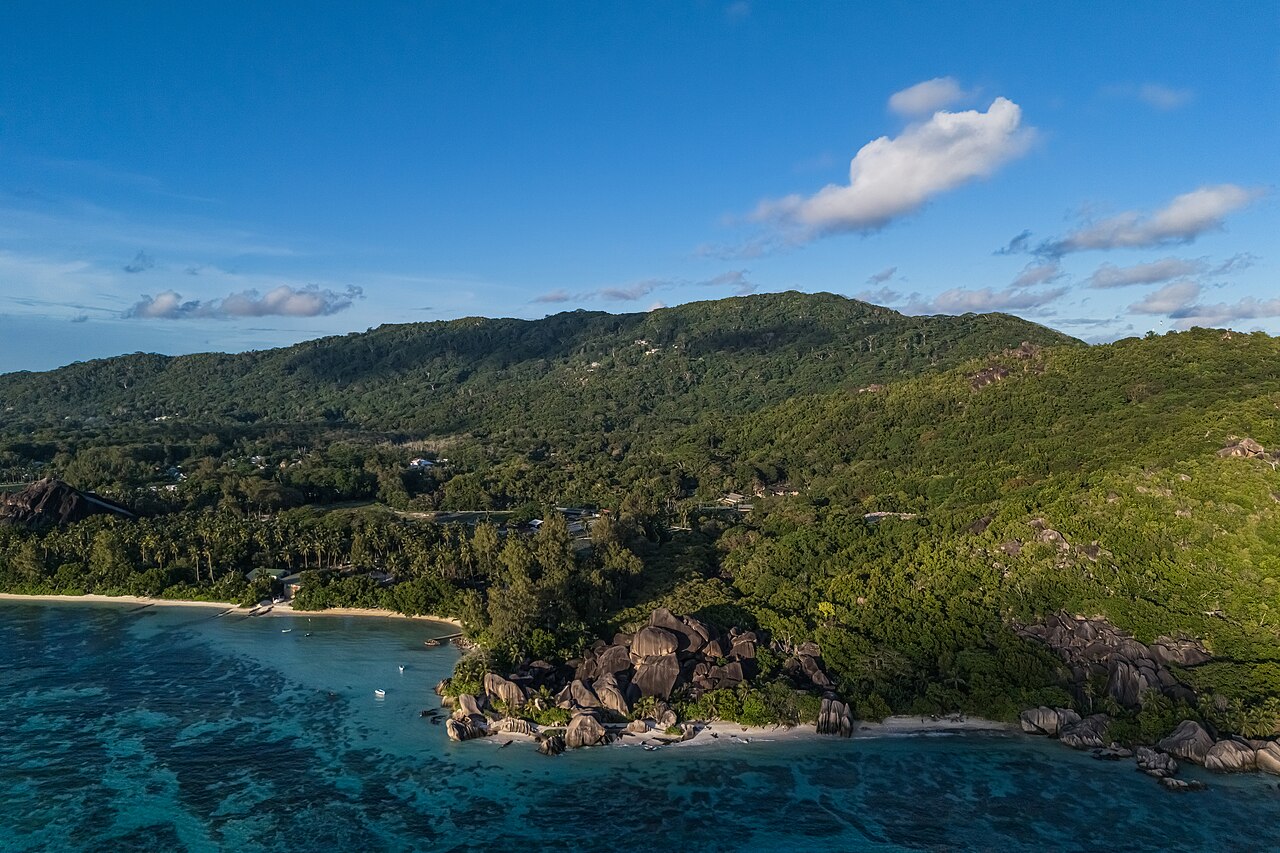
Anse Source d'Argent on La Digue, the most photographed beach in the country, is reached through the L'Union Estate, which charges an entry fee and closes in the late afternoon. It is worth it and it surprises people who expected to walk on.
It is also best in the last two hours before closing, when the day visitors have gone back to Praslin and the light comes round onto the granite. Almost everybody goes at eleven in the morning, which is the worst time of the day for it.
The tortoises are just there
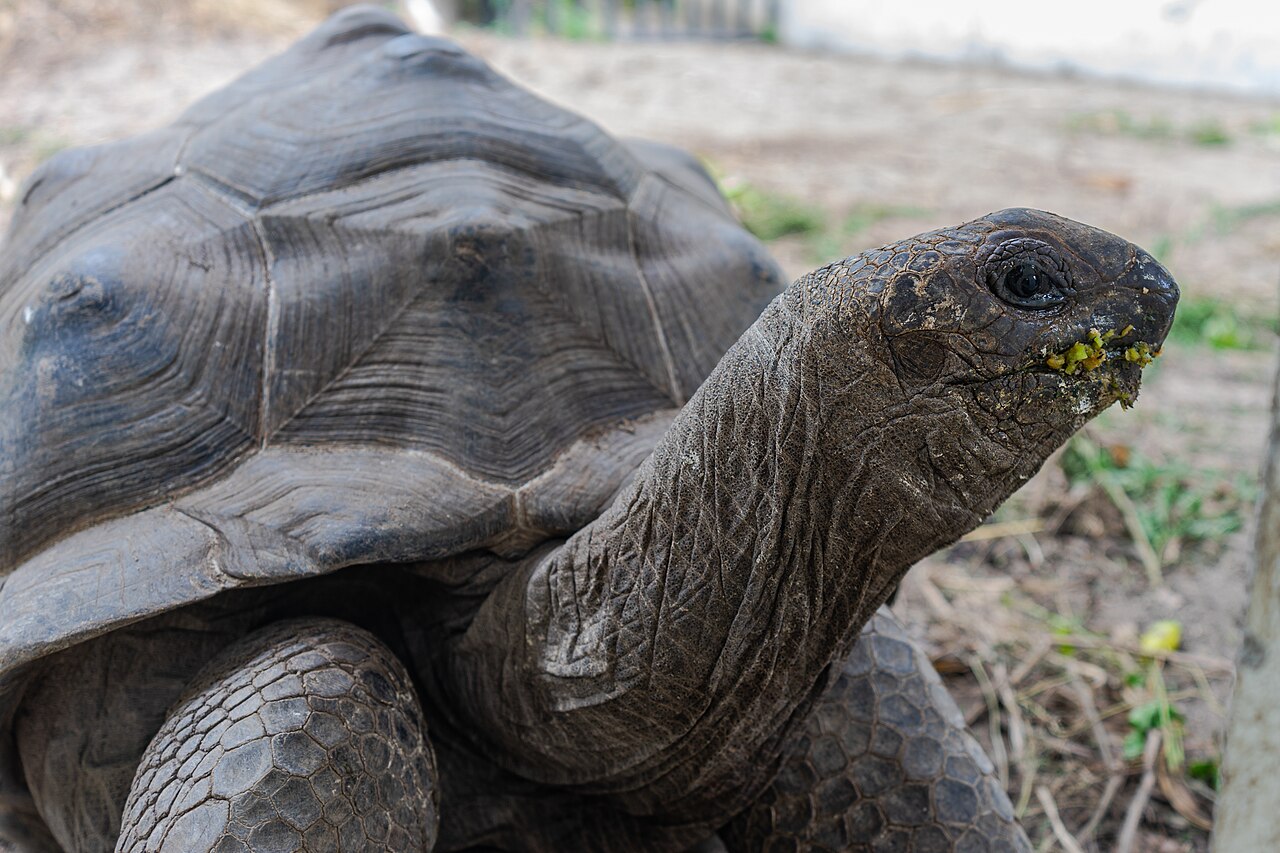
Aldabra giant tortoises are not in an enclosure with a ticket. They are on Curieuse walking through the mangroves, on Moyenne in the marine park, in gardens and hotel grounds and on the side of the road on La Digue. They are enormous, entirely indifferent to people, and often older than your grandparents.
You may not ride them, feed them without being invited to, or stand on their shells, all of which somebody does every season.
A car, delivered
Ten cars, no deposit, handed over at the airport, the jetty or your hotel. The small ones do the whole of Mahé and the Jimny does the hill roads.
See the fleetThe bus is genuinely good
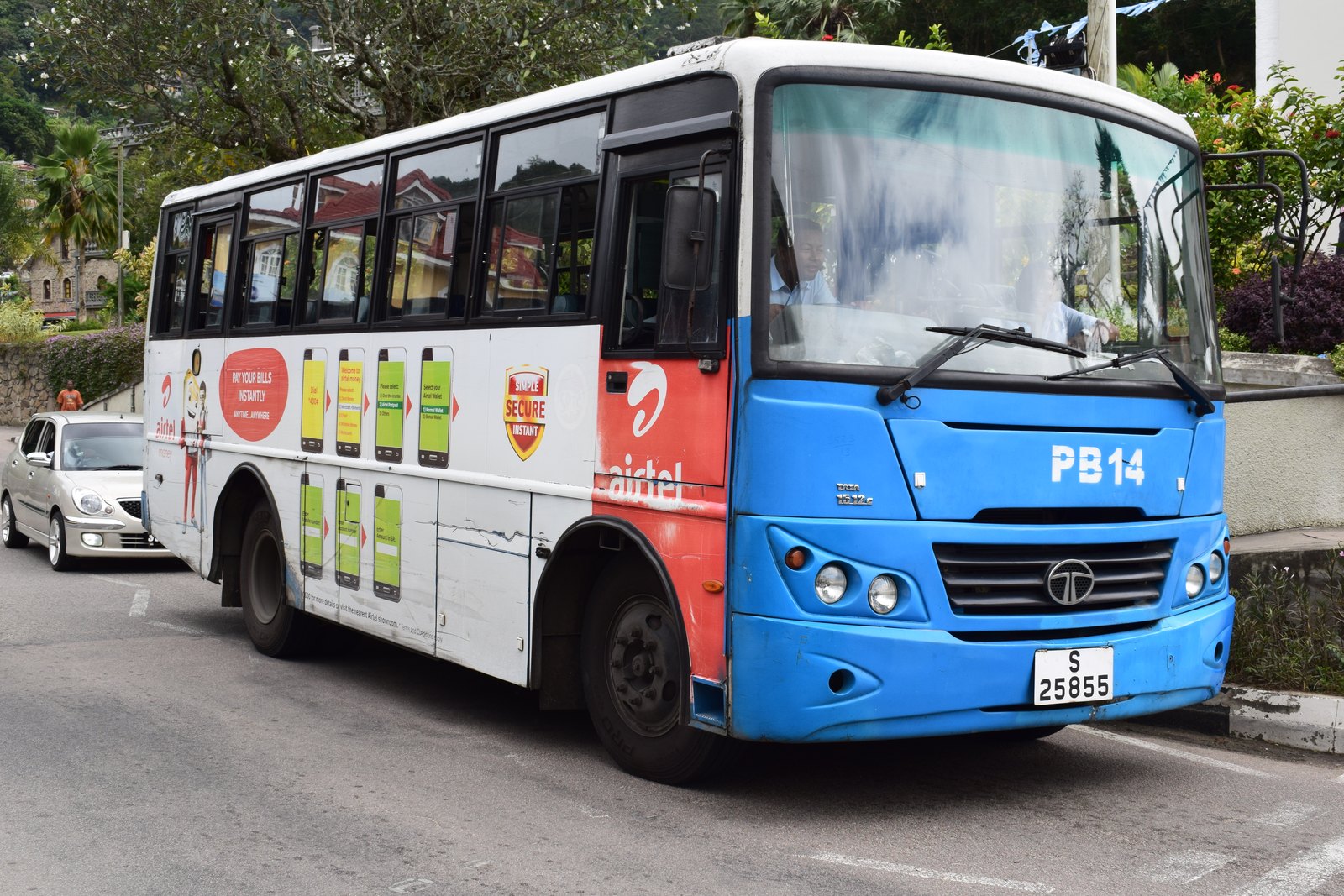
The SPTC network covers the whole of Mahé, it is cheap, and it is used by everybody rather than by tourists. The terminal in Victoria is worth seeing on its own. The route over the mountain is one of the best drives in the country and it costs almost nothing to sit on it.
What it is not is late. Buses stop early in the evening and the last one back from a distant beach goes sooner than you want it to. Use it in the day.
Cash, and where cards stop working
Cards work in hotels, in the larger restaurants and at the car hire desk. They do not work at the market, at a roadside takeaway, on the bus, or at a good number of small places on Praslin and La Digue. Draw cash on Mahé before you cross.
Prices to visitors are quoted in euros and paid locally in Seychellois rupees, and which currency you may pay in depends on what you are buying. Carry some of both and stop trying to work out the logic of it.
Everything closes for Sunday afternoon
Sunday is genuinely quiet. Many family-run restaurants close, the market barely opens, shops shut early, and on La Digue the choice on a Sunday evening is small enough to notice.
Plan the self-catering night for Sunday, or book somewhere on Saturday for the Sunday. Arriving at eight on a Sunday evening hoping to find dinner is the one reliable way to go hungry in Seychelles.
The sea is the only dangerous thing here
There is no malaria, almost no crime against visitors, no dangerous animals and no compulsory vaccination. There are rip currents on the exposed coasts, no lifeguards on most beaches, and people drown here every year.
The coast rule on this site is written as a comfort rule and it is also a safety rule. If the sea at your beach looks confused, brown or fast, it is, and the calm coast is twenty minutes away.
Almost everything is imported
Which means sunscreen, insect repellent, contact lens fluid, decent sandals and anything pharmaceutical cost noticeably more here than at home, and the choice is narrower. Bring them.
It also means the fruit, which is local, is the best value thing you will eat, and that a supermarket shop in Victoria is a genuinely different experience from one on La Digue.
First time here, in six frames.
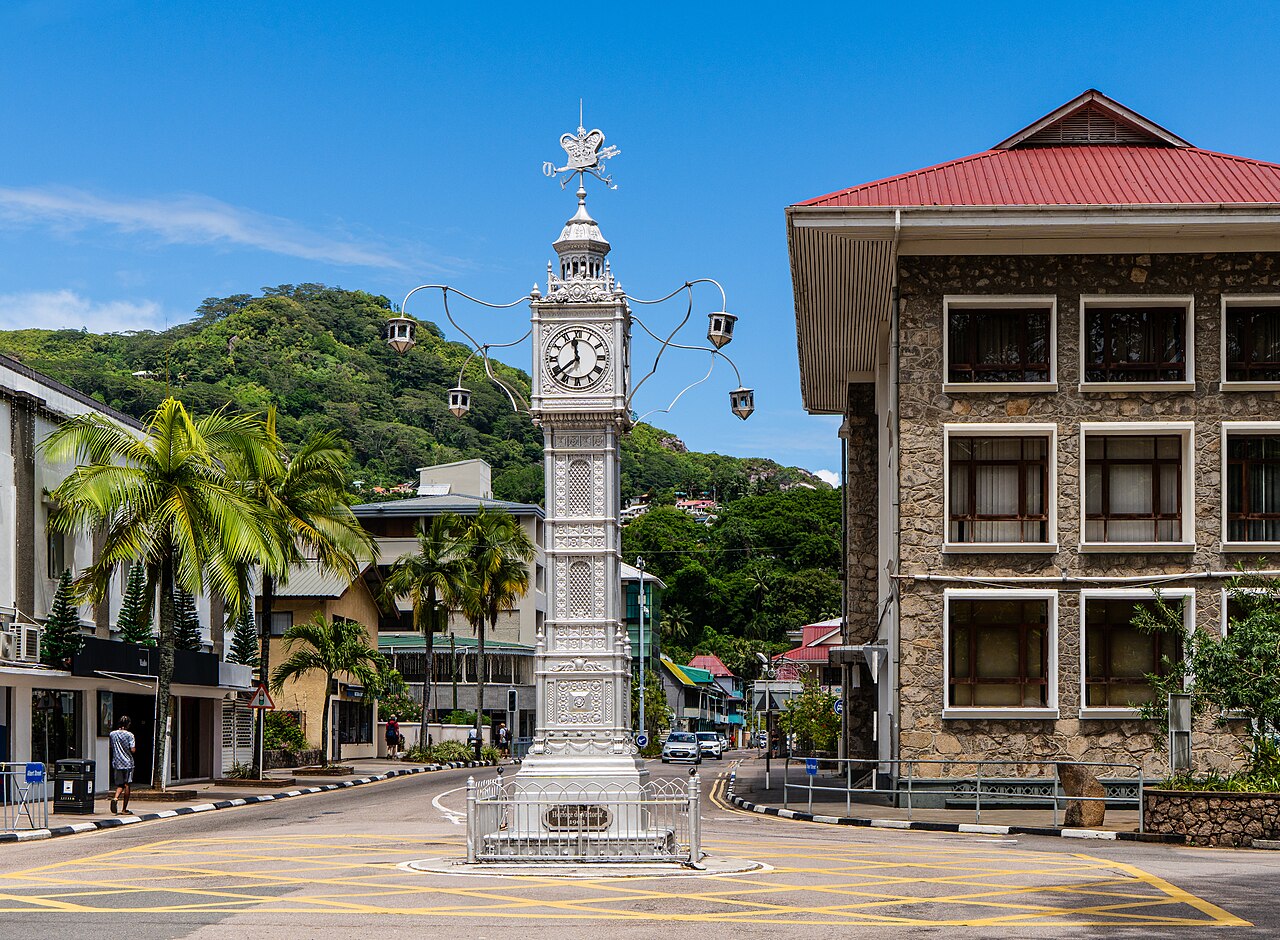
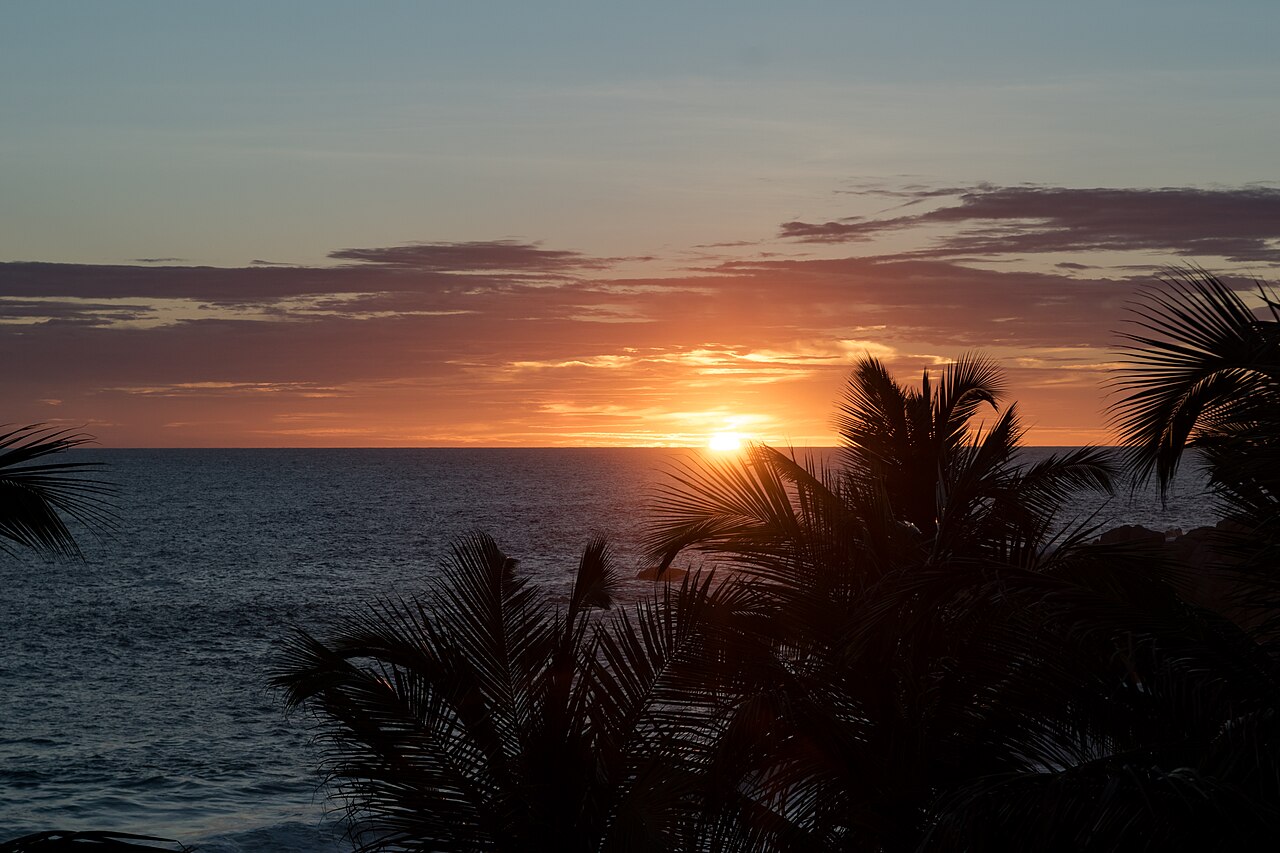
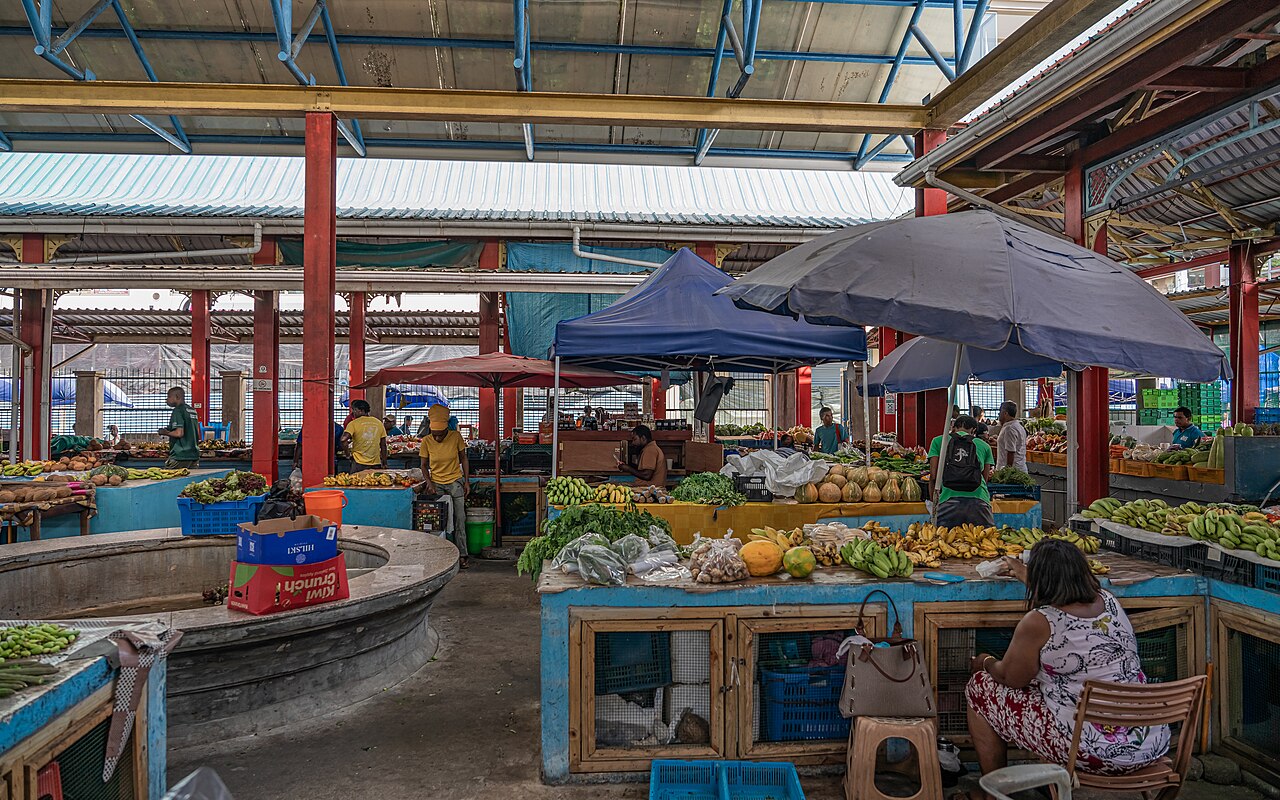
Photographs, under Creative Commons: NorbertNagel, CC BY-SA 4.0 Florival fr, CC BY-SA 4.0 A.Savin, FAL Ninara31, CC BY 2.0 dronepicr, CC BY 2.0 A.Savin, FAL
What people ask.
What should I know before visiting Seychelles?
That it gets dark at six all year, that the most famous beach has an entry fee, that cards stop working outside hotels and larger restaurants, that Sunday is genuinely quiet, and that the sea is the only dangerous thing on the islands.
Is Anse Source d'Argent free?
No. It is reached through the L'Union Estate on La Digue, which charges entry and closes in the late afternoon. Go in the last two hours before closing, when the day visitors have gone and the light comes round onto the granite.
Do we need cash in Seychelles?
Yes. Cards work in hotels, larger restaurants and car hire. They do not work at the market, at roadside takeaways, on the bus or at many small places on Praslin and La Digue. Draw cash on Mahé before crossing.
What time does it get dark?
Around six, every day of the year, with almost no dusk. Light at about six in the morning too. It reshapes the day: do the driving in the morning and eat at seven.
Is Sunday a problem?
It can be. Many family-run restaurants close, the market barely opens and on La Digue the Sunday evening choice is small. Plan a self-catering night, or book ahead.
What should we bring from India?
Sunscreen, insect repellent, any medication you take, contact lens fluid and sandals you can walk in. Almost everything here is imported and costs noticeably more with a narrower choice.
Ask the question you have not seen answered anywhere
If something about the trip is still unclear, send it. Meera answers the awkward ones as well as the easy ones, including the times the answer is that we do not do that.