Half the spice cupboard is already yours
Creole food
Four kitchens shared one small island for two hundred years. The result reads like a French menu, tastes closer to home than most Indian visitors expect, and is built on fish.
Four kitchens shared one small island for two hundred years.
Seychellois cooking is what happens when African, French, Indian and Chinese kitchens are put on the same few islands and left there. The base is fish, rice and coconut milk. The seasoning is ginger, garlic, chilli, turmeric and curry leaf. The vocabulary is French, which is why a menu reads like a puzzle until somebody translates it.
For an Indian visitor the surprise is not how foreign it tastes. It is how close parts of it are, and how much of that closeness is not a coincidence.
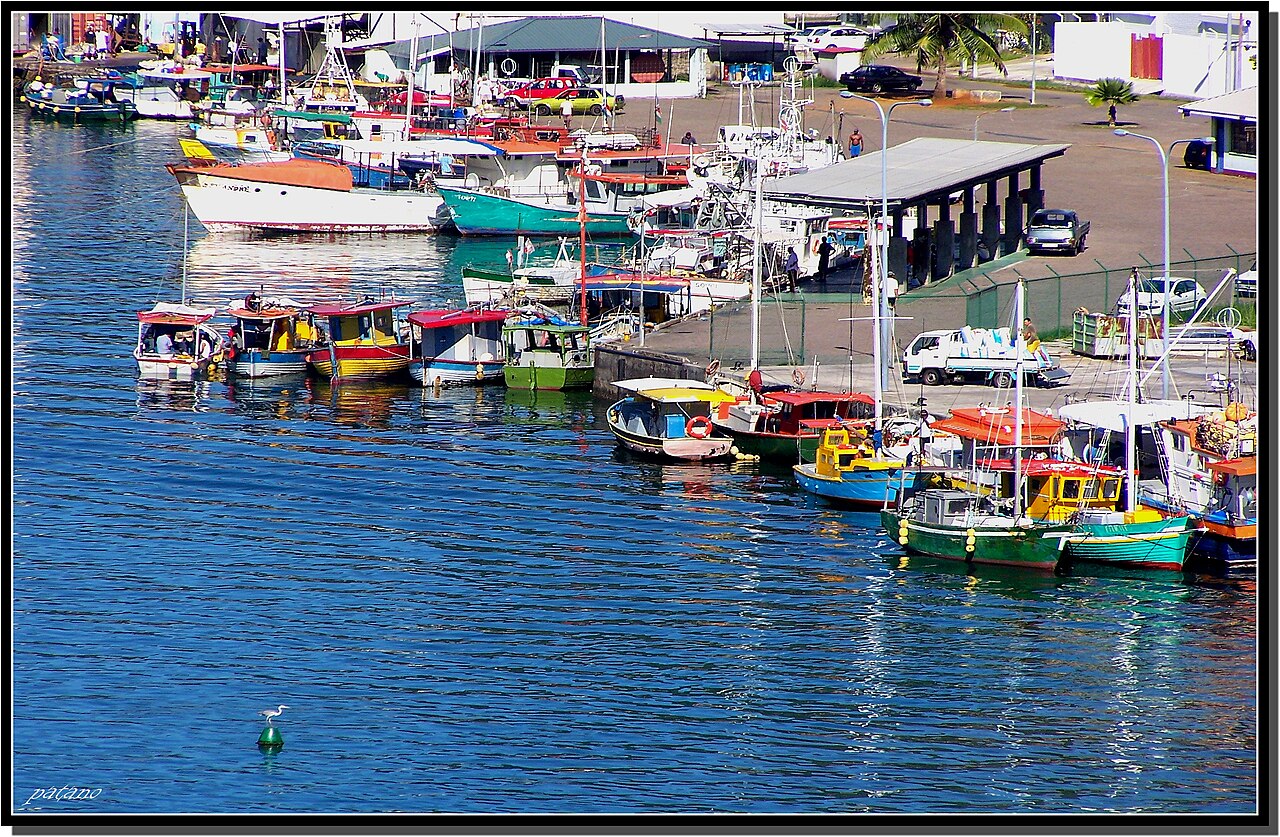
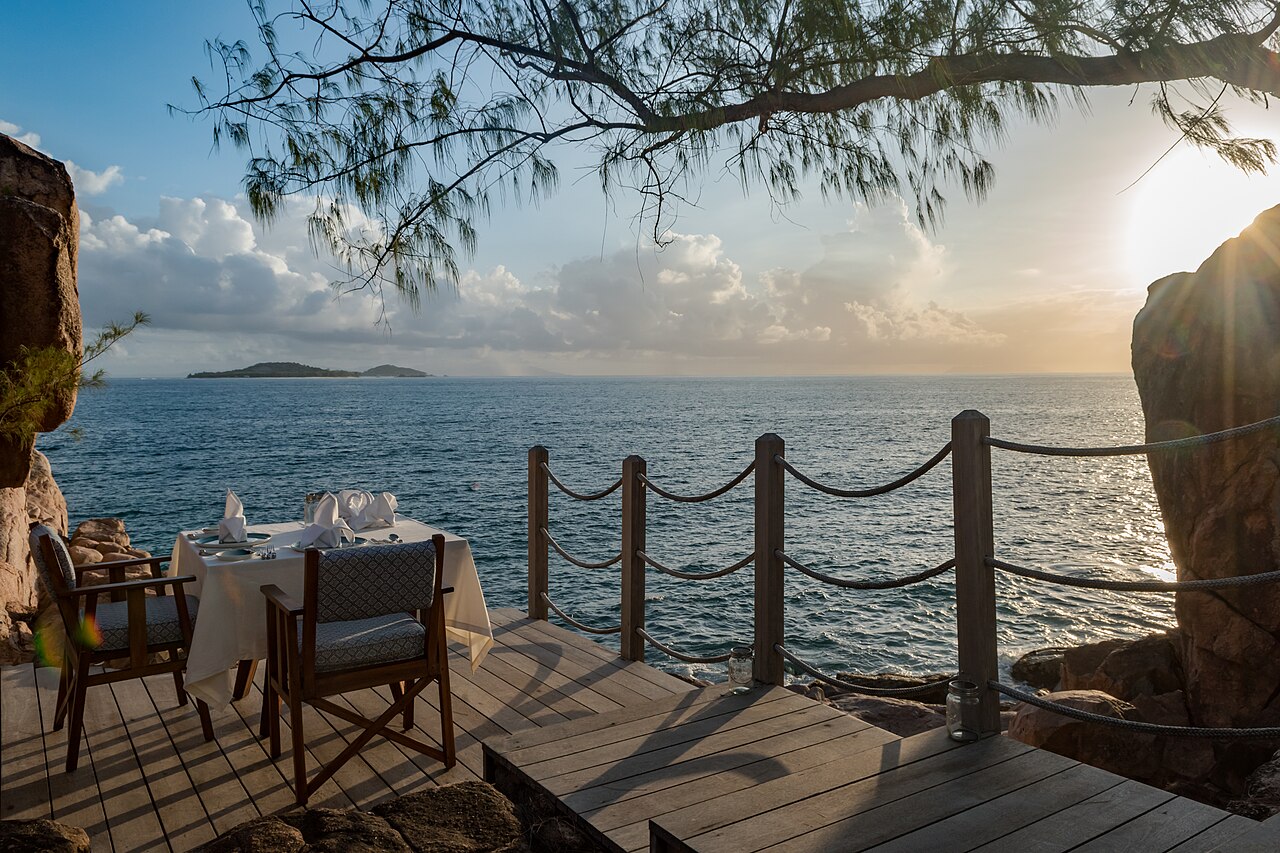
The photograph above: patano, CC BY-SA 3.0
The everyday plate
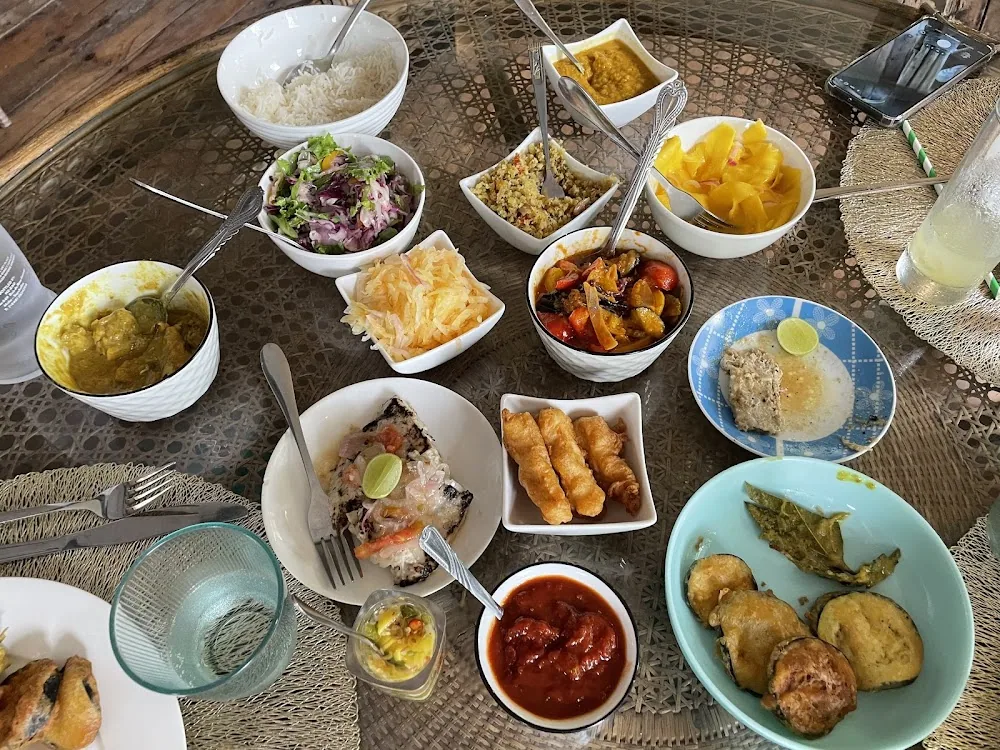
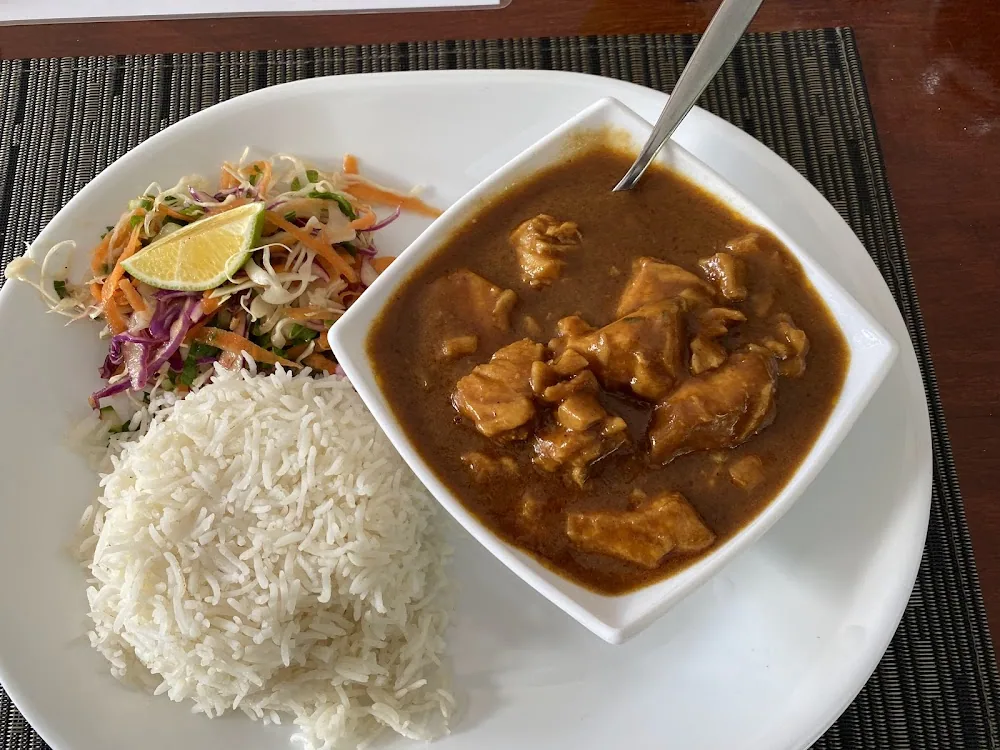
Grilled or curried fish with rice, a lentil dal beside it, a chutney made from green papaya or golden apple, and a bottle of chilli paste on the table that is considerably hotter than it looks. That is lunch, and it is the best-value food in the country.
Octopus curry is the dish the country would put on a stamp, cooked slowly in coconut milk until it gives up. Breadfruit turns up boiled, fried, and as chips. Ladob is the sweet version, breadfruit or banana in sweetened coconut milk with nutmeg, and it is the closest thing here to a home dessert.
The Indian layer, which is not an accident
Indian traders and labourers have been on these islands since the nineteenth century and the spice cupboard arrived with them. Turmeric, cumin, coriander seed, curry leaf, cinnamon and cardamom are in a Seychellois kitchen for exactly the same reason they are in yours.
The word for curry here is cari and it means what you think it means. Cari koko is a coconut-milk curry that any Indian coastal cook would recognise on sight. It is not an approximation of something Indian, it is a relative of it, and the relationship runs both ways.
The French layer is in the names
Bouillon, daube, rougaille, cari. The technique and the vocabulary are French and that is most of what makes a Seychellois menu unreadable at first. A daube here is a slow braise. A rougaille is a tomato and onion base, which is much closer to a north Indian masala than the name suggests.
Once you know that the menu opens up, and you stop ordering the one dish whose name you recognised.
The days out
Island tours, boat days, snorkelling and walks, with real ratings, real review counts and free cancellation up to twenty-four hours before.
See the toursThe Chinese layer, and why it matters to you
Almost every menu on these islands has a Chinese section: noodles, fried rice, stir-fried vegetables. It is not a tourist concession, it is a genuine strand of the country's cooking, and it has been here as long as the others.
For a vegetarian family it is also the single most useful part of any menu. Made to order, no fish in it if you say so, and available in places where the Creole side of the menu offers nothing at all.
Where the fish comes from
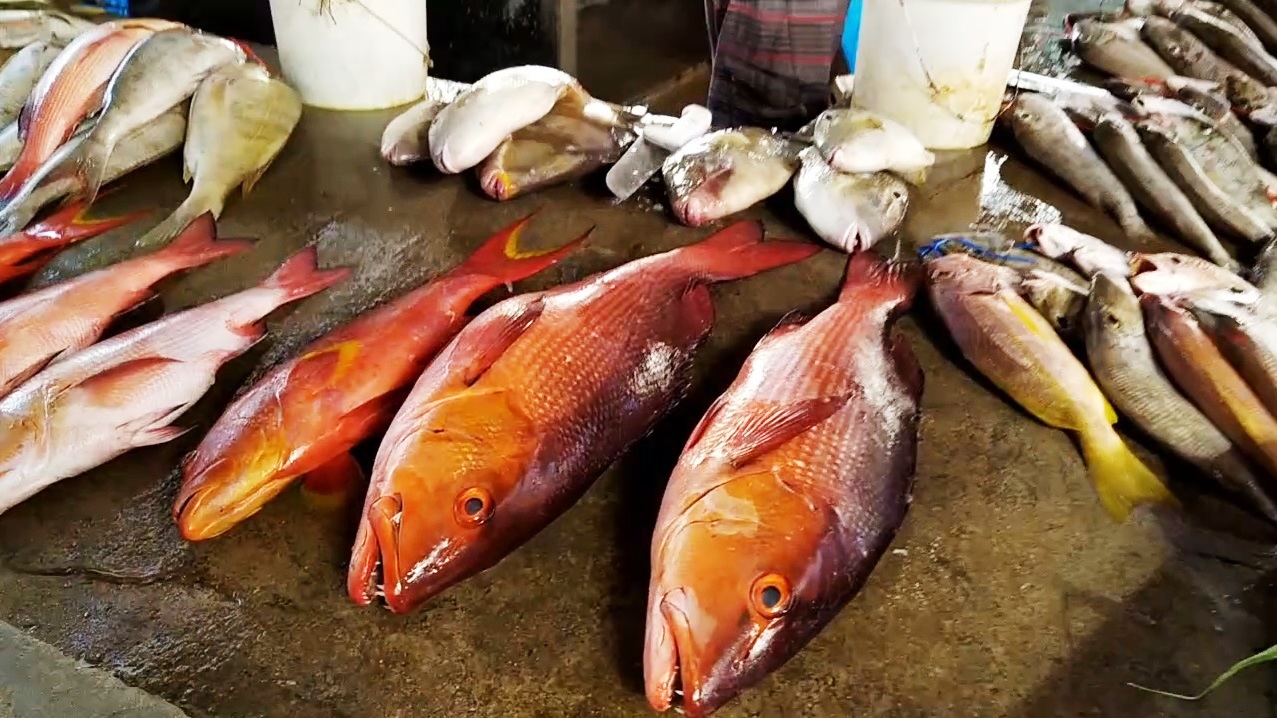
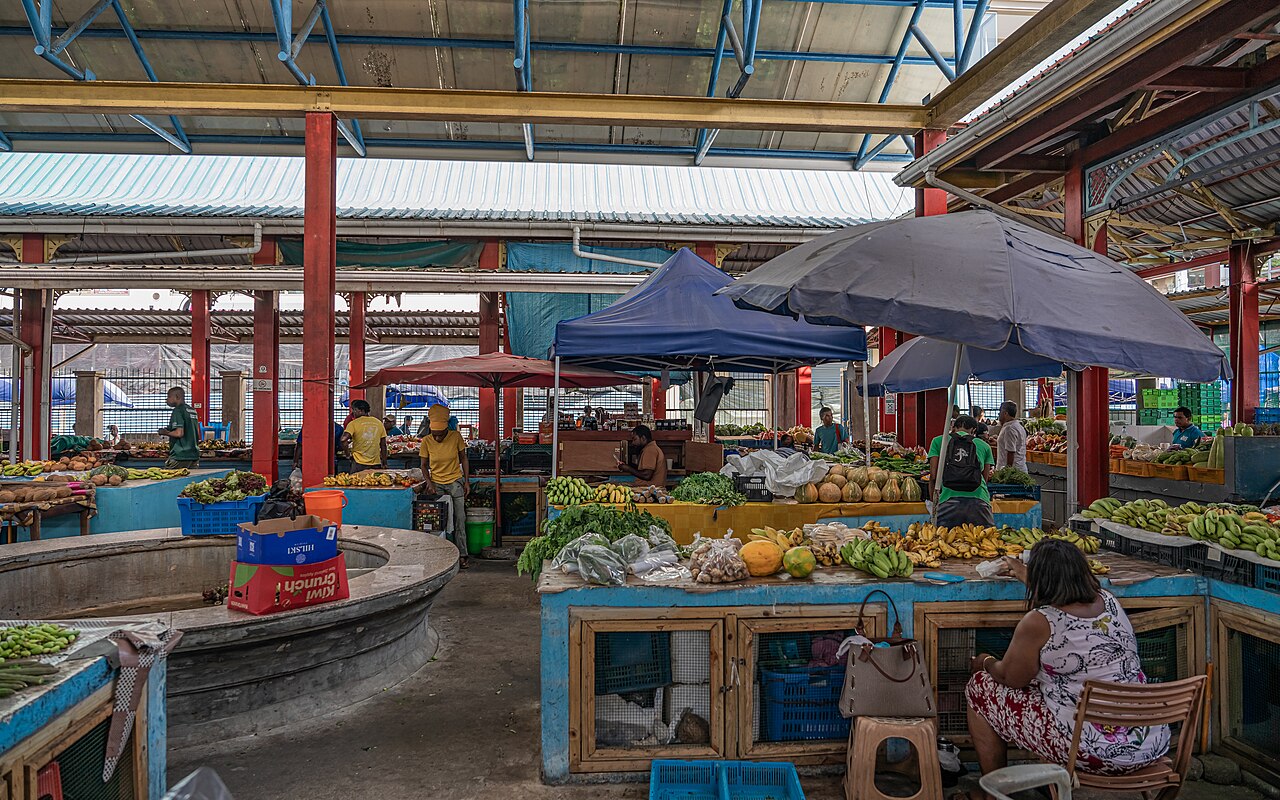
Off the boat, mostly, and landed at Port Victoria in the morning. Red snapper, job fish, bourgeois, jobfish, capitaine, and tuna when the season brings it. The market in Victoria is where it is sold and where you can see the whole day's catch in one place before nine in the morning.
Which fish is on the menu changes with the month, and a restaurant that offers you the same six species all year is buying frozen. Ask what came in this morning.
Eating out, practically
Book. Kitchens here are small, the staff are few, and the good places fill and then stop cooking. Dinner is earlier than an Indian visitor expects, and on La Digue a fair number of kitchens have closed by half past eight.
Lunch is where the value is. Creole takeaway from a roadside kitchen at midday is how most people here eat and it is a fraction of the price of the same food at eight in the evening. The Victoria market at lunchtime is the best introduction to the food this country actually cooks.
What to order on the first night
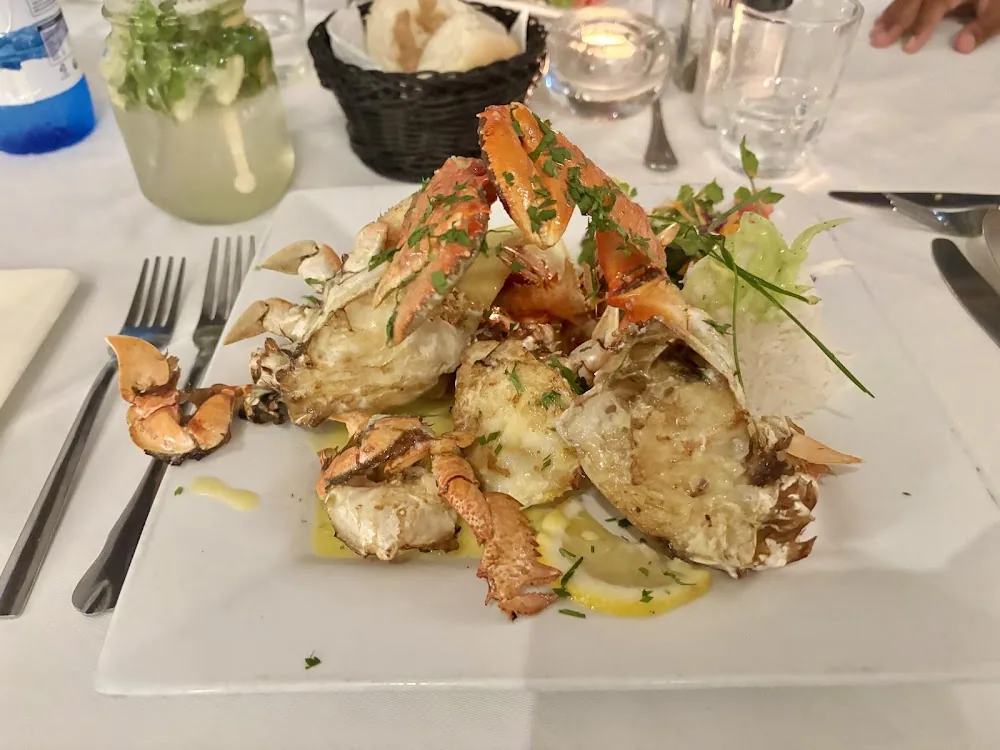
Grilled fish of whatever came in that day, with rice, dal, chutney and the chilli paste. Ask for the paste even if you are not offered it. If the octopus curry is on and it is a place that cooks it properly, that instead.
What not to order on the first night is anything described as international. Every island with tourists on it has a menu written for people who did not want to be on an island, and it is never the good half of the kitchen.
What people ask.
What is Creole food in Seychelles?
Fish, rice and coconut milk, seasoned with ginger, garlic, chilli, turmeric and curry leaf, with French names and French technique on top and a Chinese section on nearly every menu. Octopus curry is the national dish.
Is Seychellois food spicy?
Moderately, and less than most Indian cooking. What is genuinely hot is the chilli paste on the table, which is made from small local chillies and should be treated with respect the first time.
What is cari koko?
A coconut-milk curry, usually with fish or octopus. It is the dish an Indian coastal cook will recognise fastest, because the technique and half the spices are shared.
Where is the best value food?
Creole takeaway at lunchtime from a roadside kitchen, which is how most people here eat. The Victoria market at midday is the best single introduction to it.
Do we need to book restaurants?
Yes, and more than the quiet streets suggest. Kitchens are small and the good places fill and then stop cooking. Your hotel will make the call, and on La Digue that is usually how it is done.
What time do restaurants close?
Earlier than you expect. Nine o'clock is late here, and on La Digue a good number of kitchens have stopped by half past eight.
We do not sell dinner. We do sell the car that reaches it
The kitchen worth the drive is usually on the other side of the island. Tell us where you are staying and Meera will send the car and the three places worth using it for.