Yes with planning. No if you turn up and hope
Vegetarian and Jain food
Creole cooking is built on fish, and that is the whole difficulty. Everything else about this is solvable and most of it is solvable before you fly.
Yes with planning. No if you turn up and hope.
Seychelles is a small country that imports most of what it eats, and Creole cooking is built on fish. Not garnished with fish: built on it, in the stock, in the chutney, in the pickle. There is no vegetarian restaurant here of the kind an Indian city takes for granted, and there is no point pretending otherwise.
Everything else about this is solvable, and almost all of it is solvable before you fly. A kitchen of your own settles it outright. A hotel kitchen will nearly always manage if it is told at booking rather than at breakfast. And the supermarkets in Victoria carry what you would expect them to carry, because there is a resident Indian community here buying it.
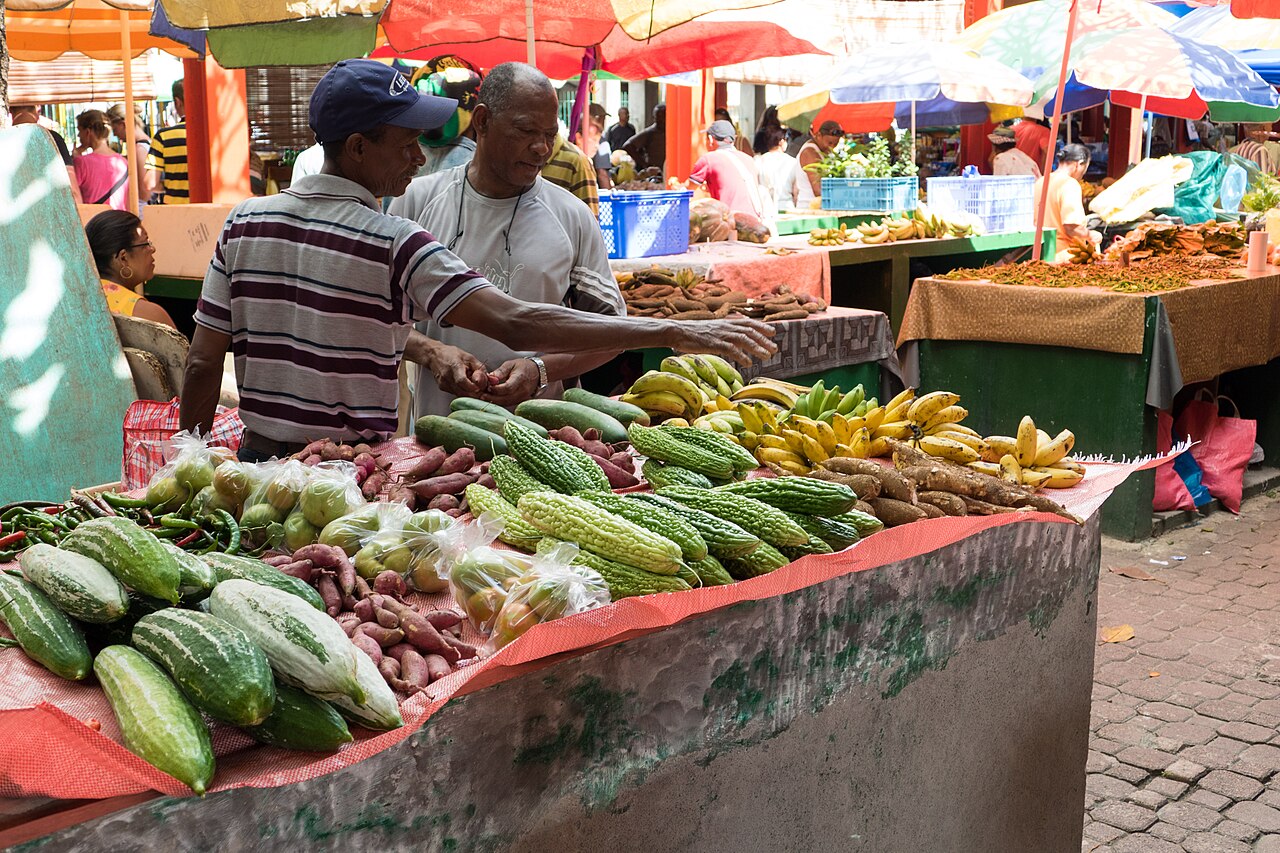
The photograph above: So Seychelles, CC BY 2.0
Self-catering is the answer, and it is not a compromise
An apartment with a kitchen is a completely normal thing to book in Seychelles. It is what a large share of Indian families staying here do, and on the calm coast in the low season it costs less than a hotel room. It removes the problem rather than managing it.
It also changes the shape of the holiday for the better. Breakfast at your own table looking at the sea beats a buffet where three of the four hot dishes have fish in them, and you eat out on the evenings you choose to rather than on all of them.
A car, delivered
Ten cars, no deposit, handed over at the airport, the jetty or your hotel. The small ones do the whole of Mahé and the Jimny does the hill roads.
See the fleetWhat the supermarkets in Victoria actually carry
Rice, of several kinds. Lentils. Atta. Ghee. Paneer, usually. Indian spice brands you will recognise on the packet. Fresh vegetables at the market and at the larger supermarkets, with the range better in Victoria than anywhere else in the country.
What is thinner is the ready-made and the frozen: do not expect a freezer aisle of Indian convenience food. And prices are import prices, so a familiar packet costs noticeably more than at home. That is the trade, and it is a smaller one than the alternative.
Telling a hotel, and when to tell them
At booking. Not at check-in and certainly not at breakfast on the first morning. Kitchens here are small and order their supplies weekly, sometimes off the same boat as everybody else's supplies. A request made six weeks out is a shopping list. The same request made at the table is an apology.
Say vegetarian, and if it is Jain say Jain and then say what that means, because the word is not widely known here and nobody will be offended by the explanation. No onion, no garlic, no root vegetables, nothing from under the ground. Written down, in the booking email, it is an instruction a chef can follow.
What to watch for, which is not what you think
Fish stock in a vegetable soup. Dried fish in a chutney. Shrimp paste in a sauce. Bouillon cubes with fish in them, used the way an Indian kitchen uses salt. Lard is not common here, but fish is everywhere and it is not thought of as meat by a cook who has not been told otherwise.
So ask about fish specifically rather than asking for something vegetarian. The question that works is not is this vegetarian, it is does this have any fish in it, including in the stock. Asked that way it gets an accurate answer every time.
Where an Indian family eats well without cooking
There are restaurants on Mahé and on La Digue with Indian food named in their own listings and in their own reviews, and our restaurants pages name them with that evidence attached rather than by our opinion. Most of them are on Mahé, spread between Victoria, Eden Island and the coast.
Beyond those, the useful section of almost any menu here is the Chinese one. The Chinese influence in Seychellois cooking is real and long-standing, and stir-fried vegetables with noodles or rice is on nearly every menu, made to order, with no fish in it if you say so.
The fruit, which is the unexpected pleasure
Mango, papaya, passionfruit, four kinds of banana, jackfruit, custard apple, breadfruit. It is everywhere, it is cheap by local standards, and it is better than almost anything you can buy at home because it has not travelled.
A breakfast of fruit and bread here is not a compromise, it is the correct order. Several families we have looked after ended up eating that way by choice for most of the trip and mentioning it afterwards as a highlight.
What we would actually do
Book an apartment with a kitchen for at least half the nights, on the coast that is calm in your month. Do one shop in Victoria on the first full day, at the market and then a supermarket. Eat out three or four evenings, at places chosen in advance, and cook the rest.
That plan removes the anxiety from the trip entirely, and it costs less than the hotel-and-hope version it replaces.
Vegetarian and Jain food, in six frames.
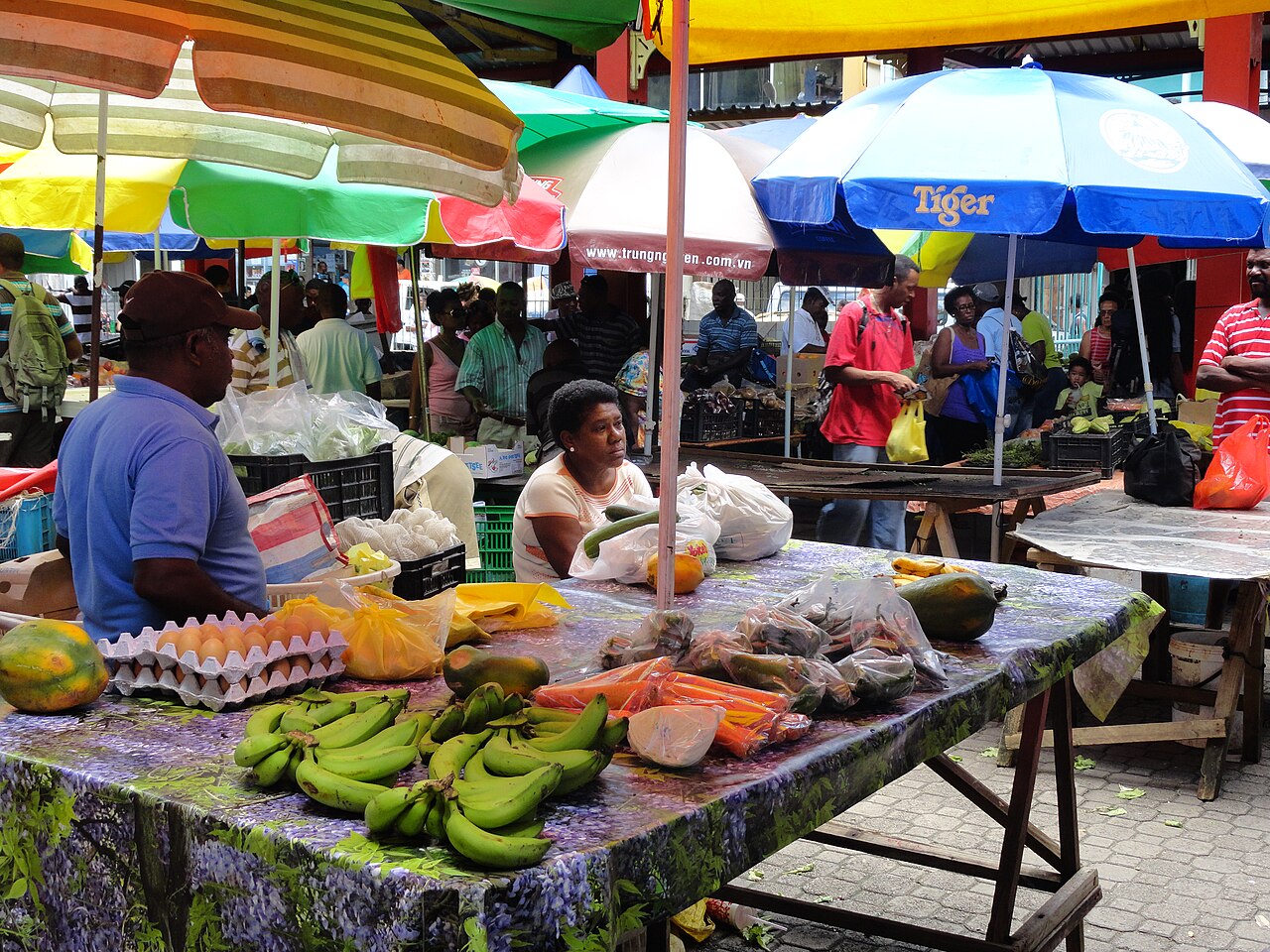
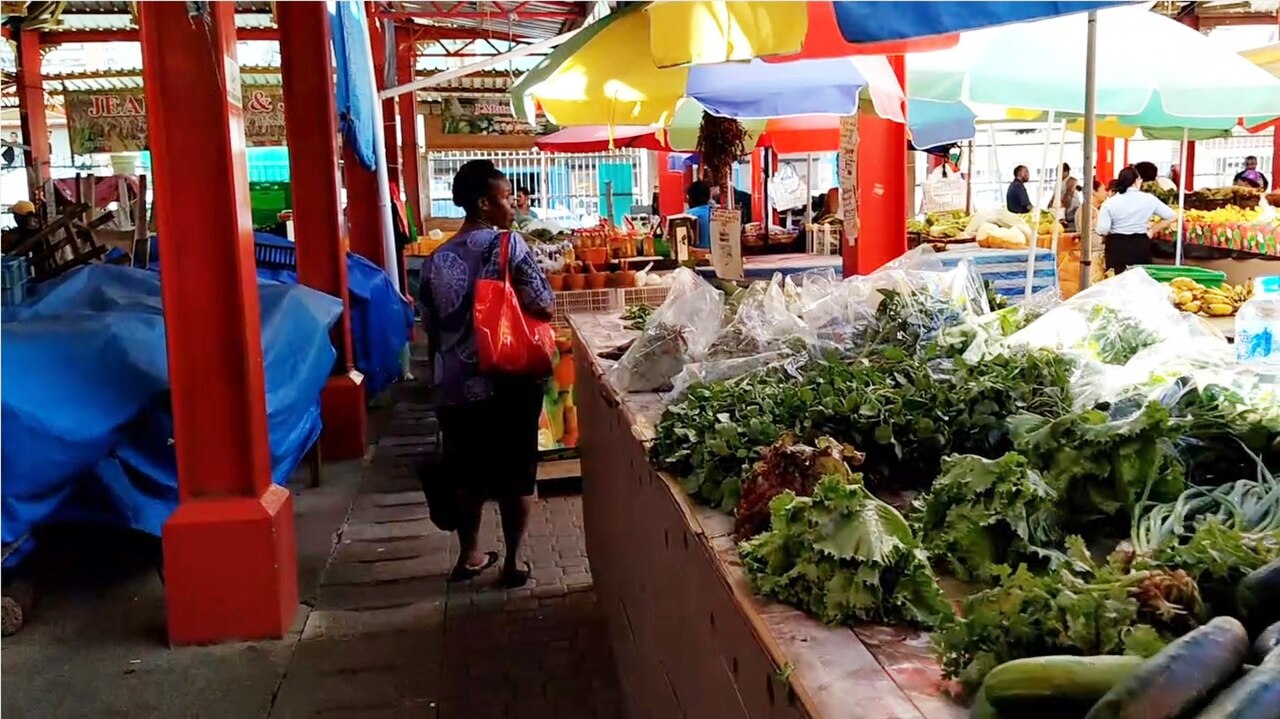
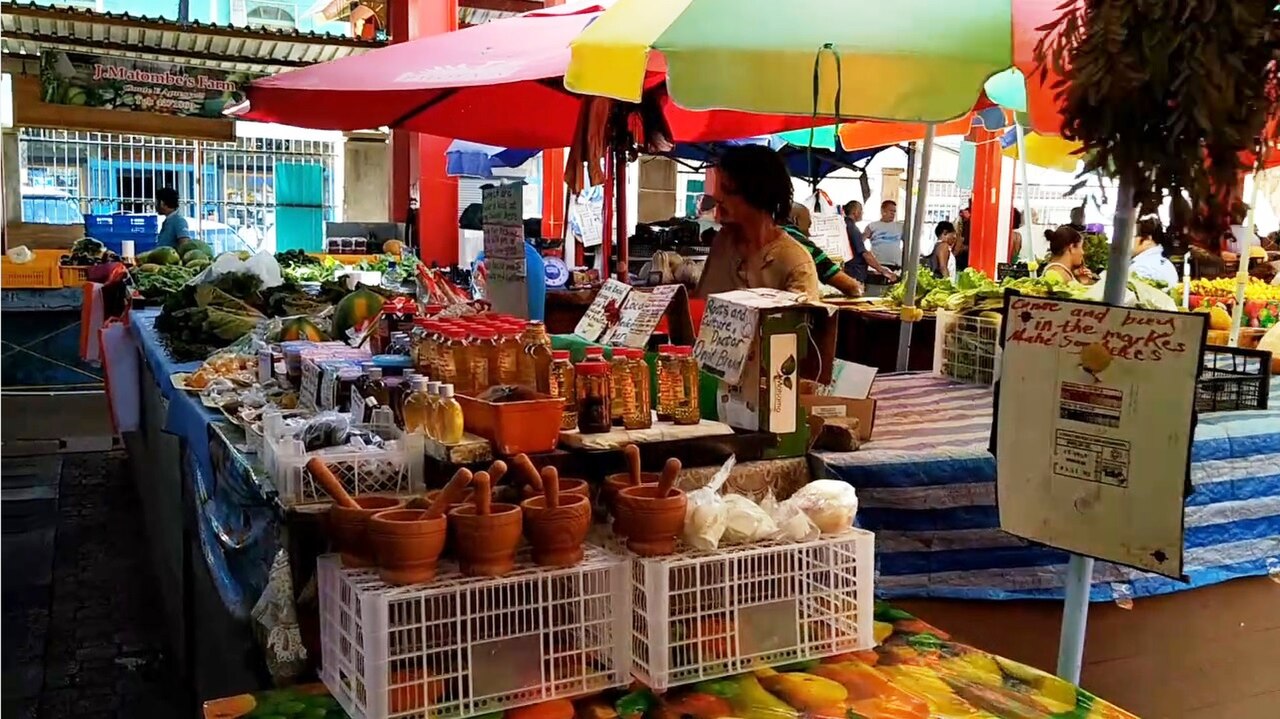
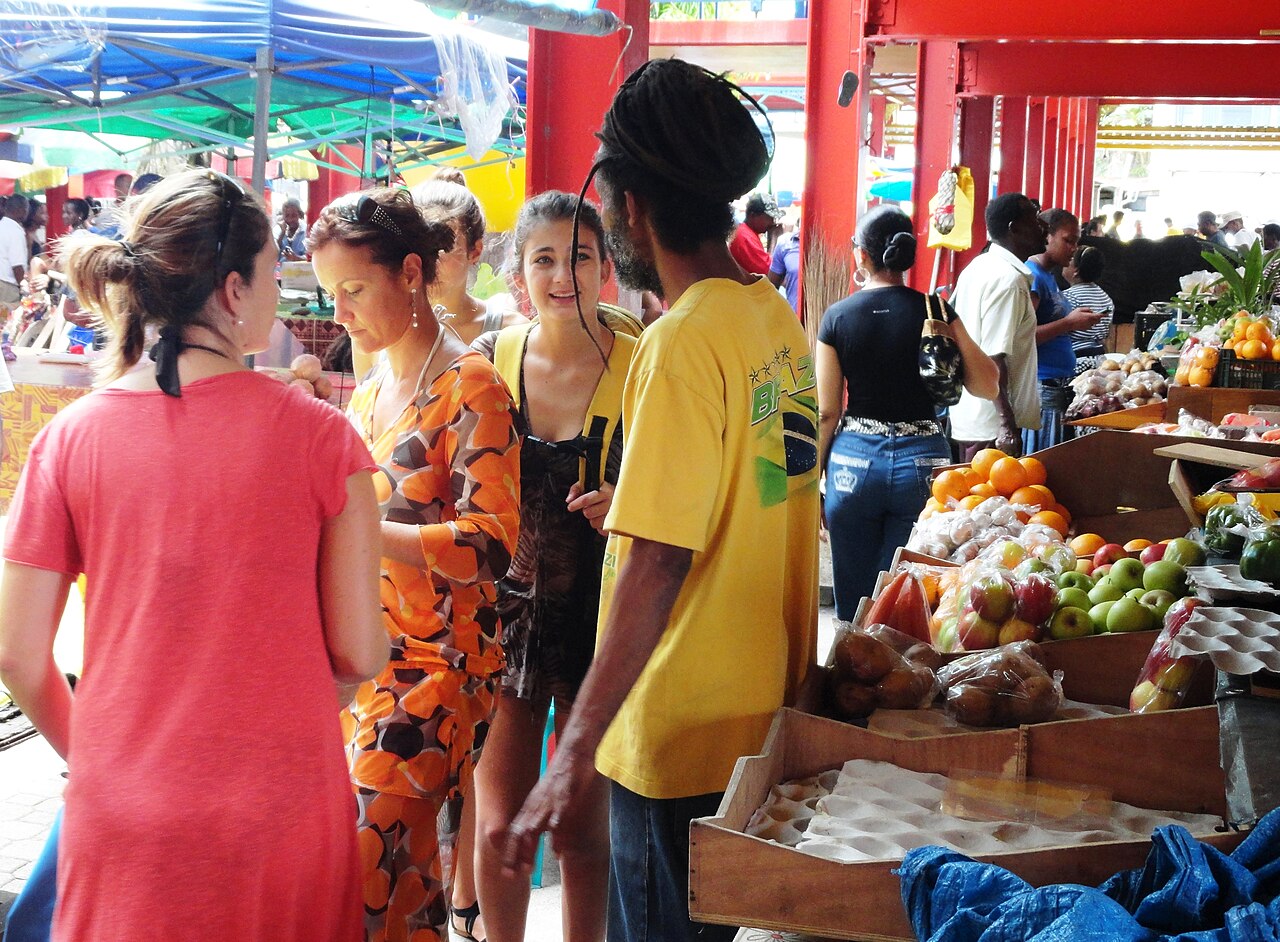
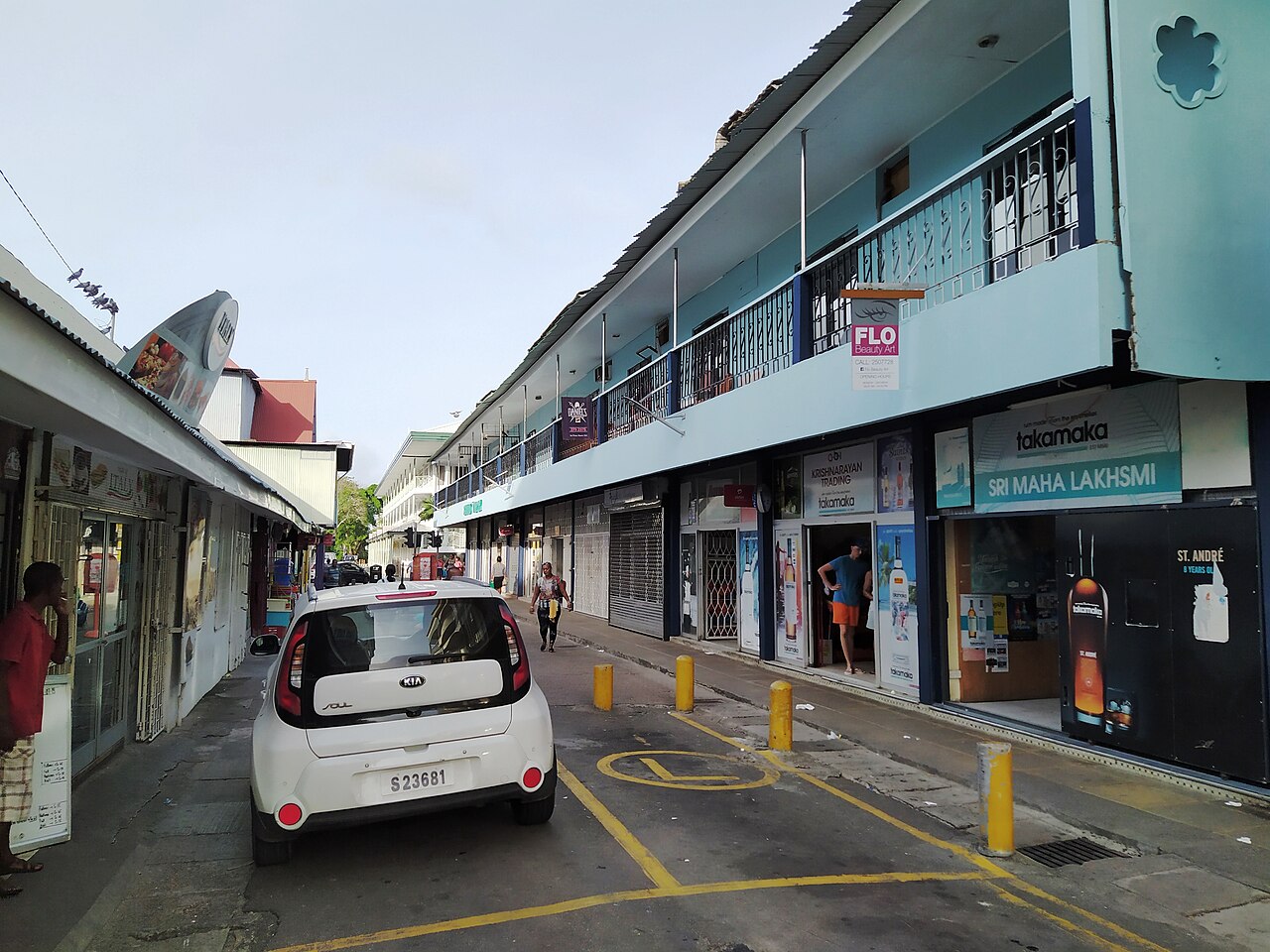
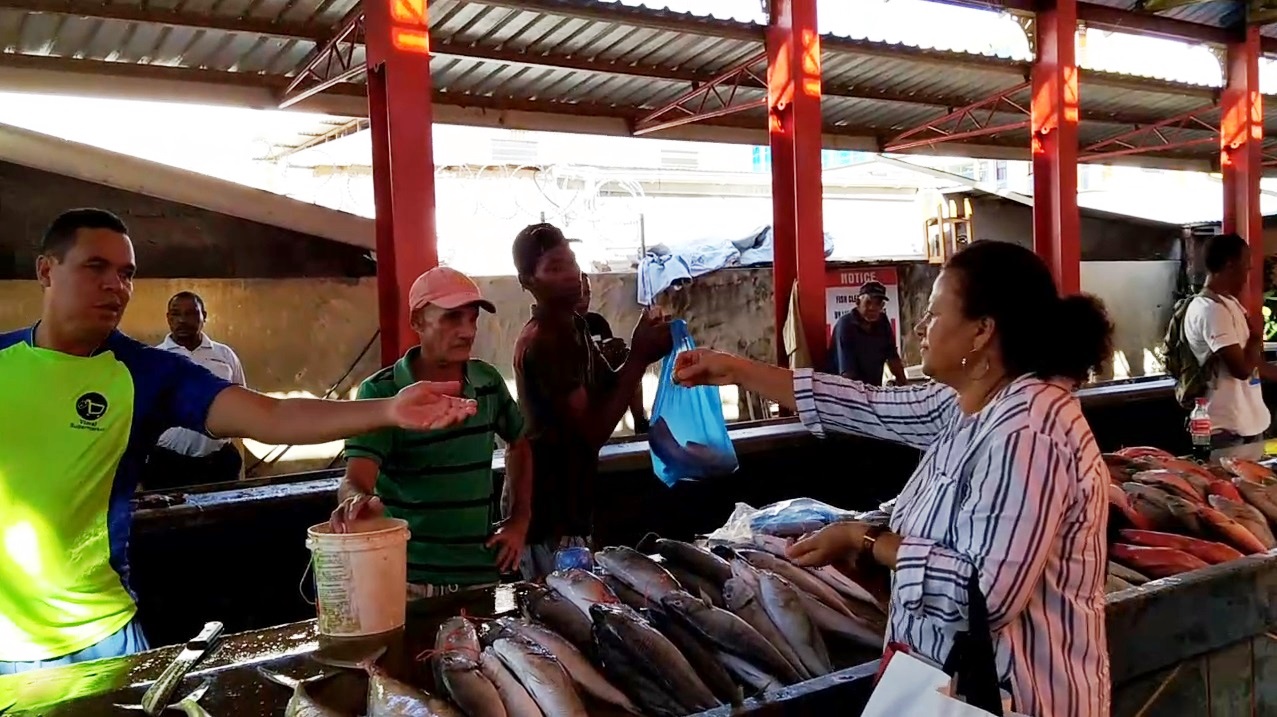
Photographs, under Creative Commons: Fabio Achilli, CC BY 2.0 Radosław Botev, CC0 Radosław Botev, CC0 Fabio Achilli, CC BY 2.0 Radosław Botev, CC BY-SA 4.0 Radosław Botev, CC0
What people ask.
Can you get pure vegetarian food in Seychelles?
With planning, yes. Self-catering settles it outright and the Victoria supermarkets carry rice, lentils, atta, ghee, paneer and Indian spice brands. A hotel kitchen will manage it if it is told at booking rather than at breakfast.
Is Jain food possible?
Yes, with a kitchen of your own, and usually with a hotel kitchen if you write down what Jain means in the booking email. The term is not widely known here, so explain it rather than assume it. No onion, no garlic, nothing from under the ground.
Are there Indian restaurants in Seychelles?
Yes, several, most of them on Mahé between Victoria, Eden Island and the coast, and two on La Digue. Our restaurants pages name the ones with Indian food on their own record rather than by our opinion.
What hides fish in Seychellois food?
Stock in vegetable soups, dried fish in chutney, shrimp paste in sauces and fish-based bouillon cubes used the way salt is used. Ask specifically whether a dish has fish in it, including in the stock, rather than asking whether it is vegetarian.
Can we bring food from India?
Sealed packaged food is generally fine and plenty of families bring a box of essentials. Fresh produce, meat and dairy are not. If in doubt, declare it on arrival rather than risk it.
Is self-catering easy to find?
Very. Apartments and guesthouses with kitchens are ordinary here rather than unusual, on all three main islands, and on the calm coast out of season they cost less than a hotel room.
Tell us what the kitchen requirement actually is
Vegetarian, Jain, or a family that will not eat fish twice a day. Meera will build the week around the kitchen rather than around the hotel, and name the restaurants worth the drive.