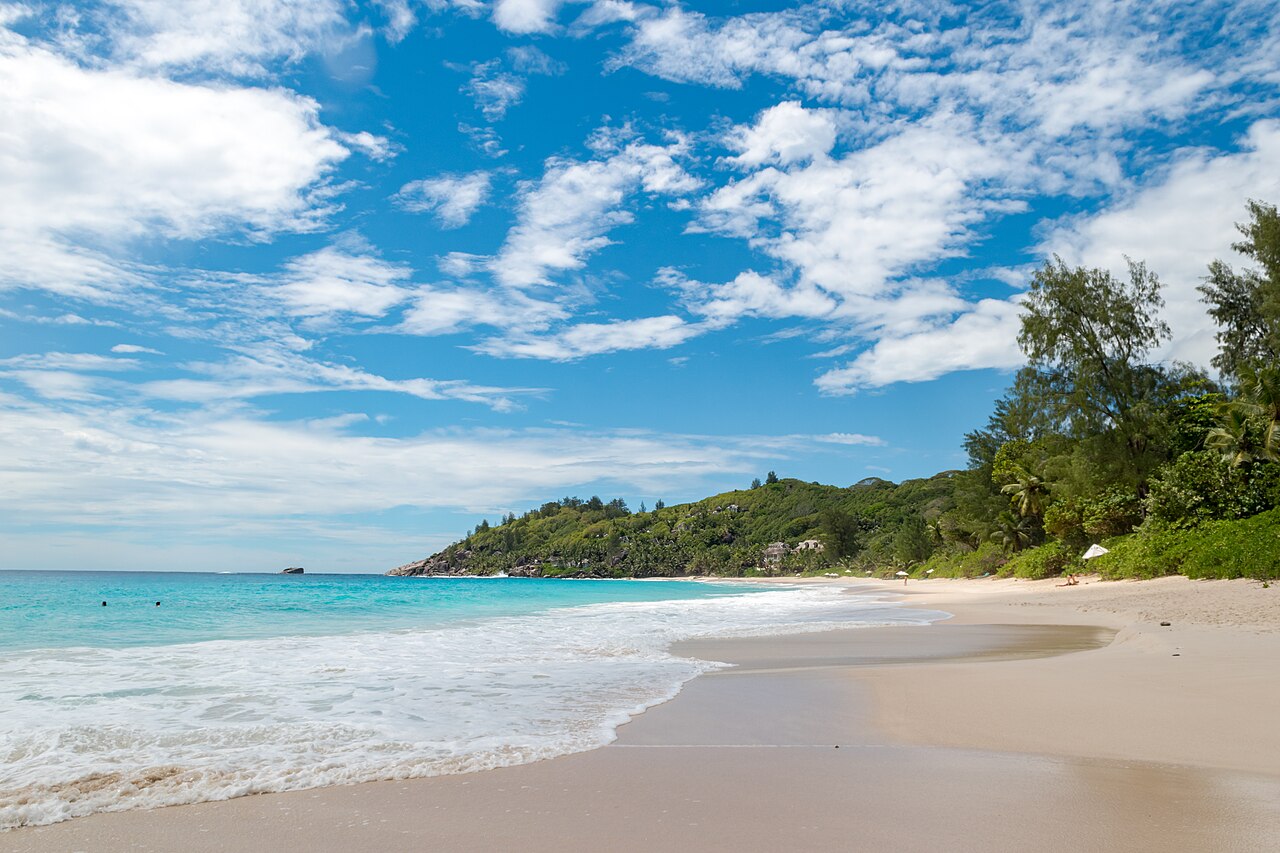
One real danger, and it is the sea
Safety and health
This is a safe country by almost every measure a traveller uses. The exception is the water, and the exception is serious.
One real danger, and it is the sea.
By almost every measure a traveller uses, Seychelles is safe. There is no malaria and no compulsory vaccination for an arrival from India. There are no dangerous land animals. Violent crime against visitors is rare. The healthcare on Mahé is adequate for ordinary problems and the water on the main island is treated.
The exception is the sea, and the exception is serious. People drown here every year, almost always on an exposed coast in the wrong season, almost always where there is no lifeguard, and almost always because a beach that looks beautiful looked safe.
Rip currents, and how to read a beach
A rip is a narrow channel of water flowing back out through the surf. It looks calmer than the water beside it, which is exactly why people swim in it. Signs of one: a gap in the breaking waves, water that is browner or more churned than its neighbours, and foam or debris moving steadily out.
If you are caught in one, do not swim against it. Swim across it, parallel to the beach, until you are out of the channel, then come in. The rip will exhaust a strong swimmer in a minute and will not pull you under.
Which beaches, and in which months
The coast rule on this site is a comfort rule and a safety rule at the same time. From May to September the south and east coasts take the trade winds and the swell, and Anse Intendance, Anse Takamaka and Grand Anse on La Digue are dangerous rather than merely rough. From December to March it is the north and west that get it, though less severely.
There are no lifeguards on the great majority of beaches here, including the famous ones. Beau Vallon has one at times. Assume there is nobody, because usually there is nobody.
Airport transfers
A driver who watches your flight number and waits with your name on a board, at a price agreed before you fly rather than at the kerb.
See transfersHealth, and what is genuinely not a risk
No malaria. No yellow fever unless you have transited a yellow-fever country, which a Gulf routing does not. Dengue and chikungunya have occurred here, which is the real reason to use insect repellent rather than a theoretical one.
Tap water on Mahé is treated and generally fine. Bottled is universal and cheap and is what we would use on the smaller islands and with children anywhere. Food hygiene in restaurants is good and the roadside takeaways are used by everybody.
Medical care, and where it is
Seychelles Hospital in Victoria is the main facility and it handles ordinary emergencies. There are clinics on Praslin and a smaller one on La Digue. Pharmacies are in Victoria and at a handful of places outside it, with a narrower range than you are used to.
Anything serious means an evacuation to Réunion or further, which is expensive and is the actual reason to hold travel insurance for this trip. Bring your own medication in its box with enough for the whole stay.
Crime, in proportion
Low, and mostly opportunistic. Things taken from an unlocked car at a beach car park, or from a bag left on the sand while everybody swims. Break-ins at self-catering properties occur and are uncommon.
The sensible precautions are the ordinary ones: nothing visible in a parked car, nothing valuable on the beach, and the passport in the room safe rather than in a beach bag. Walking in Victoria in the day is entirely unremarkable.
The sun, which people underestimate
Four degrees south of the equator the sun is directly overhead at midday and the UV is high whether or not it is cloudy. The commonest thing that spoils a Seychelles holiday is not the sea, it is a first-day burn that costs three days.
Shade is scarce on most beaches. The middle of the day belongs under a tree or indoors, and that also happens to be when the light is worst for photographs.
Travelling with children, specifically
The coast rule matters more with children than with anybody. Beau Vallon in the trade-wind season and Anse Volbert behind its reef are the reliable ones. Do not put a child in the water at an exposed beach because the adults are managing.
Rash guards, hats, and the acceptance that the middle of the day is not beach time solve most of the rest.
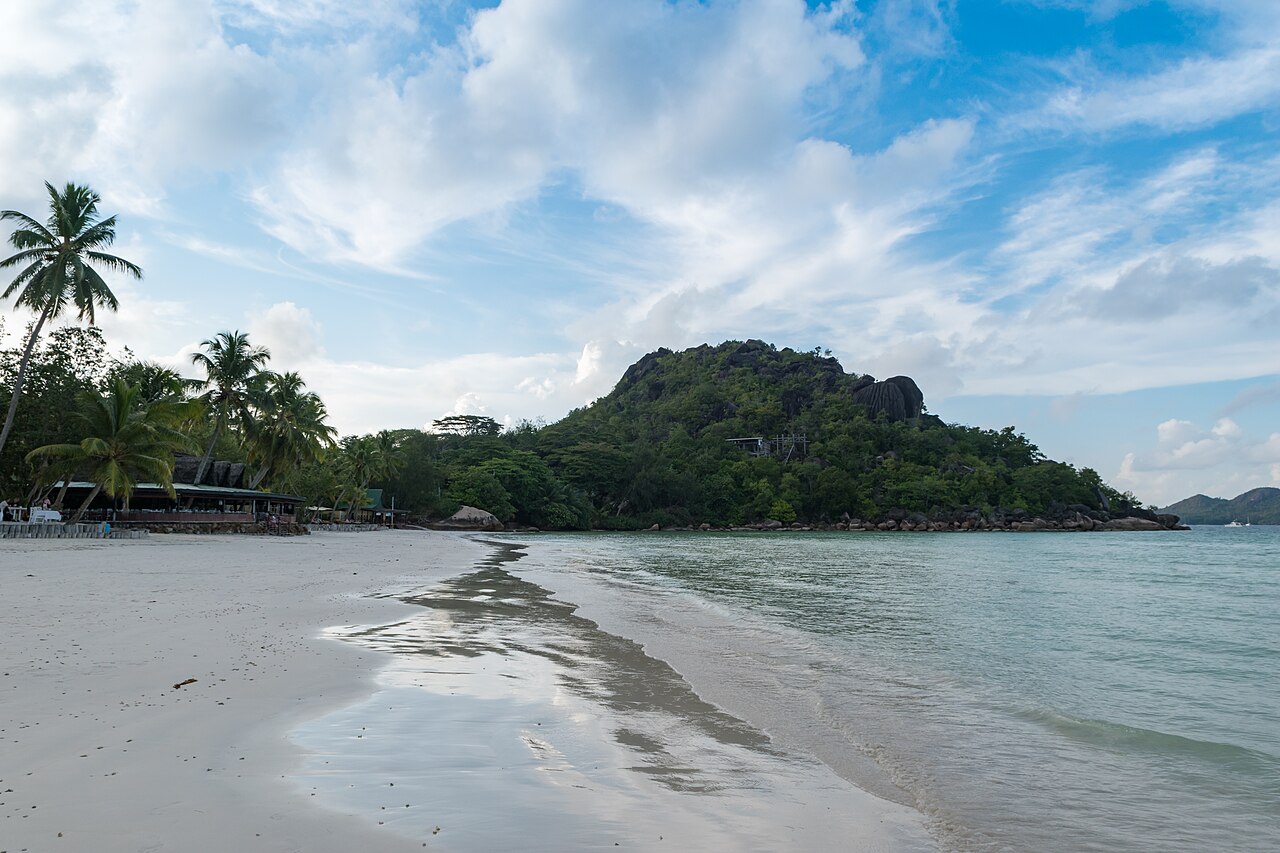
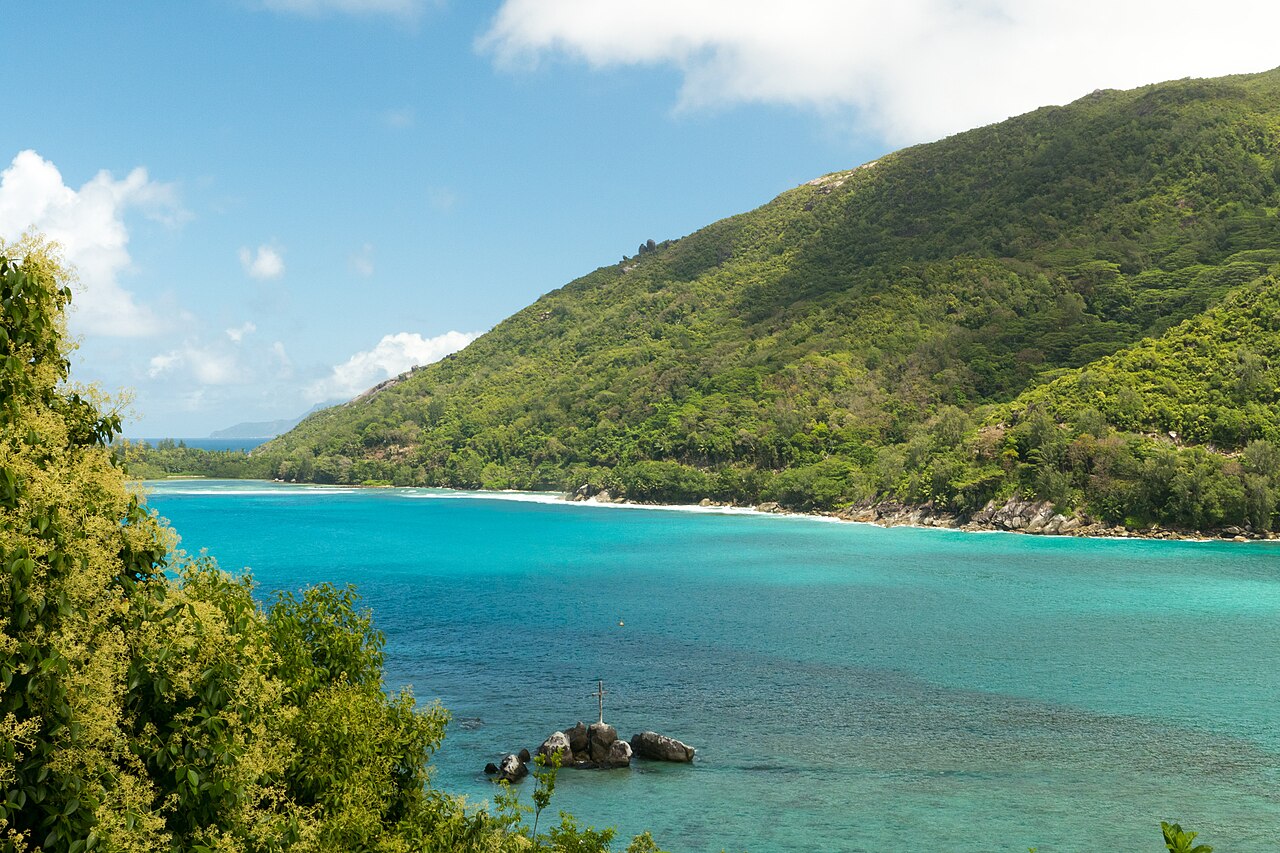
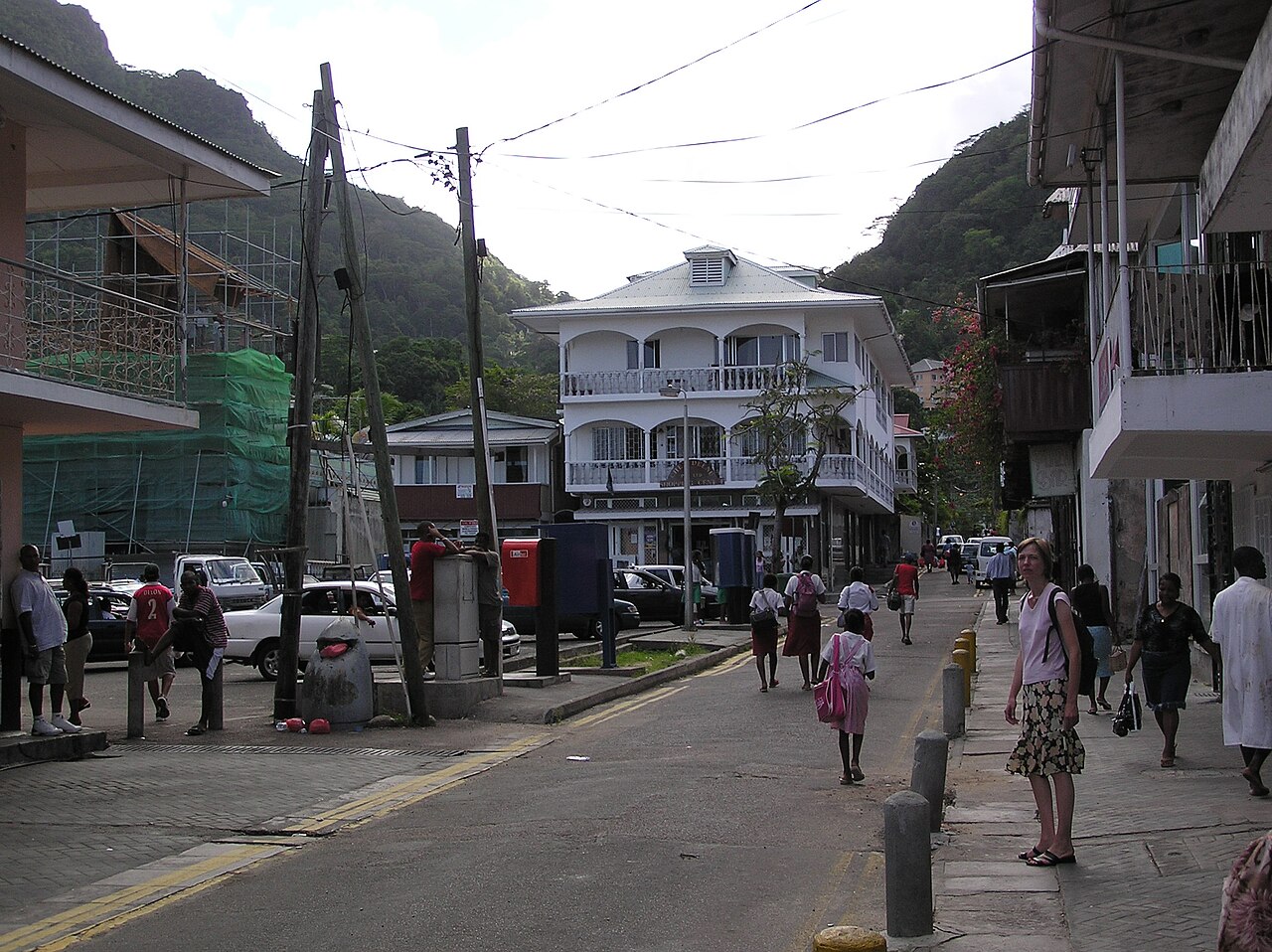
Safety and health, in six frames.
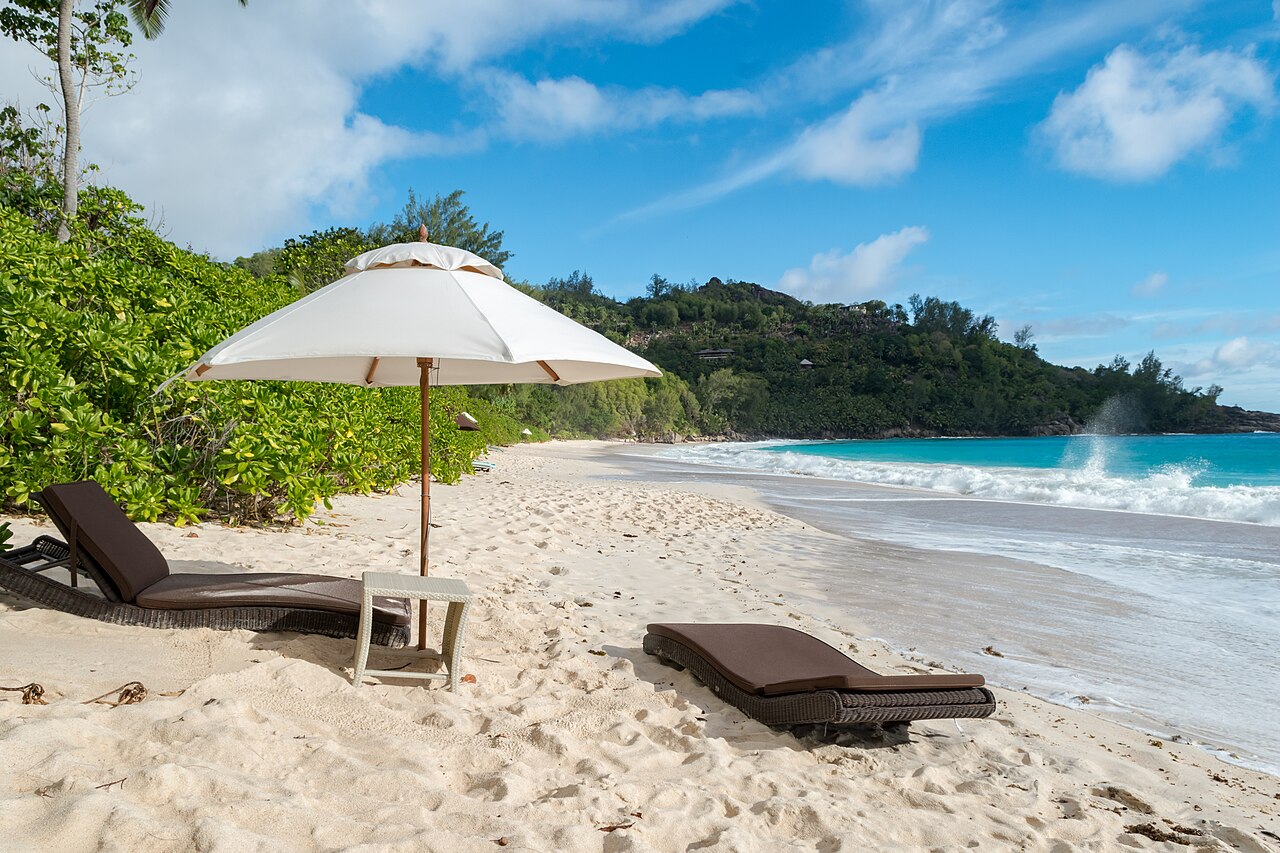
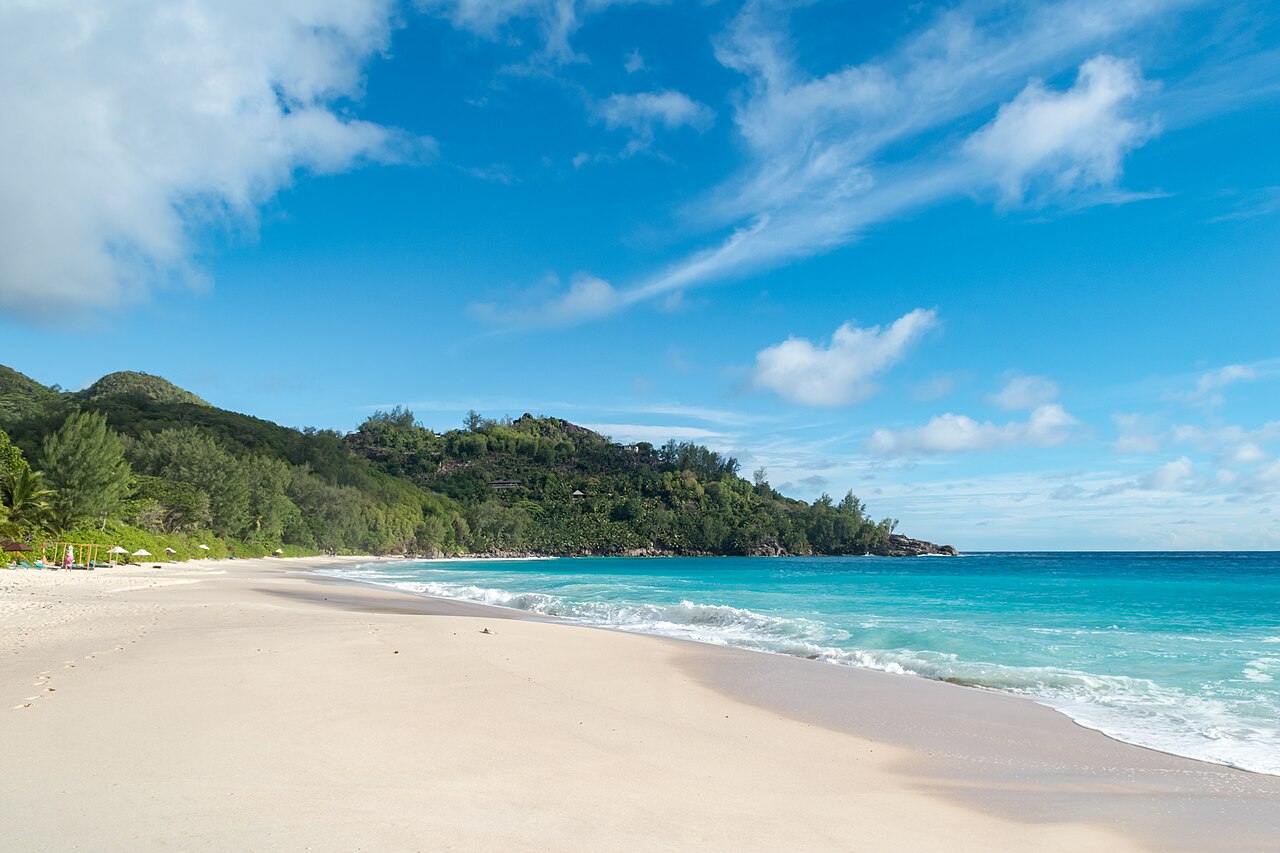
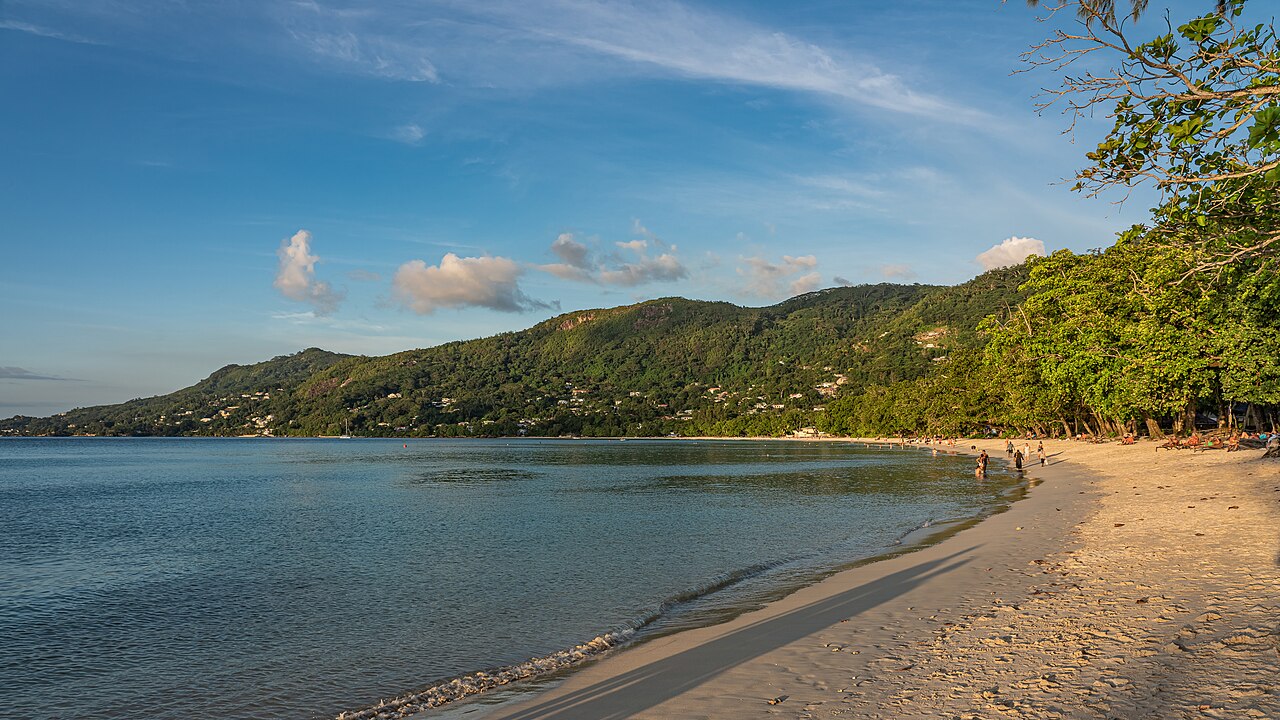
Photographs, under Creative Commons: dronepicr, CC BY 2.0 dronepicr, CC BY 2.0 A.Savin, FAL dronepicr, CC BY 2.0 So Seychelles, CC BY 2.0 Henning Leweke, CC BY-SA 2.0
What people ask.
Is Seychelles safe?
Yes, by almost every measure. No malaria, no compulsory vaccinations, no dangerous land animals and very little crime against visitors. The one genuine danger is the sea, where rip currents on exposed coasts kill people every year.
Are there lifeguards on the beaches?
On the great majority, no, including the famous ones. Beau Vallon has one at times. Assume there is nobody, because usually there is nobody.
What do you do in a rip current?
Do not swim against it. Swim across it, parallel to the beach, until you are out of the channel, then come in. A rip will exhaust a strong swimmer in a minute and it will not pull you under.
Is there malaria in Seychelles?
No, and no compulsory vaccination for an arrival from India. Dengue and chikungunya have occurred, which is the practical reason to use insect repellent.
Can you drink the tap water?
On Mahé it is treated and generally fine. Bottled is universal and cheap and is what we would use on the smaller islands and with children anywhere.
Do we need travel insurance?
It is not checked at the border, and we would carry it anyway. Anything serious means a medical evacuation to Réunion or further, and that is the cost insurance exists for on this trip.
The calm coast is twenty minutes away, with a car
If your hotel is on the wrong coast for your month, the fix is a car rather than a cancellation. Tell us where you are staying and Meera will send both.